
Phuket Bioluminescence: Why New Moon Nights Favor Sheltered Bays
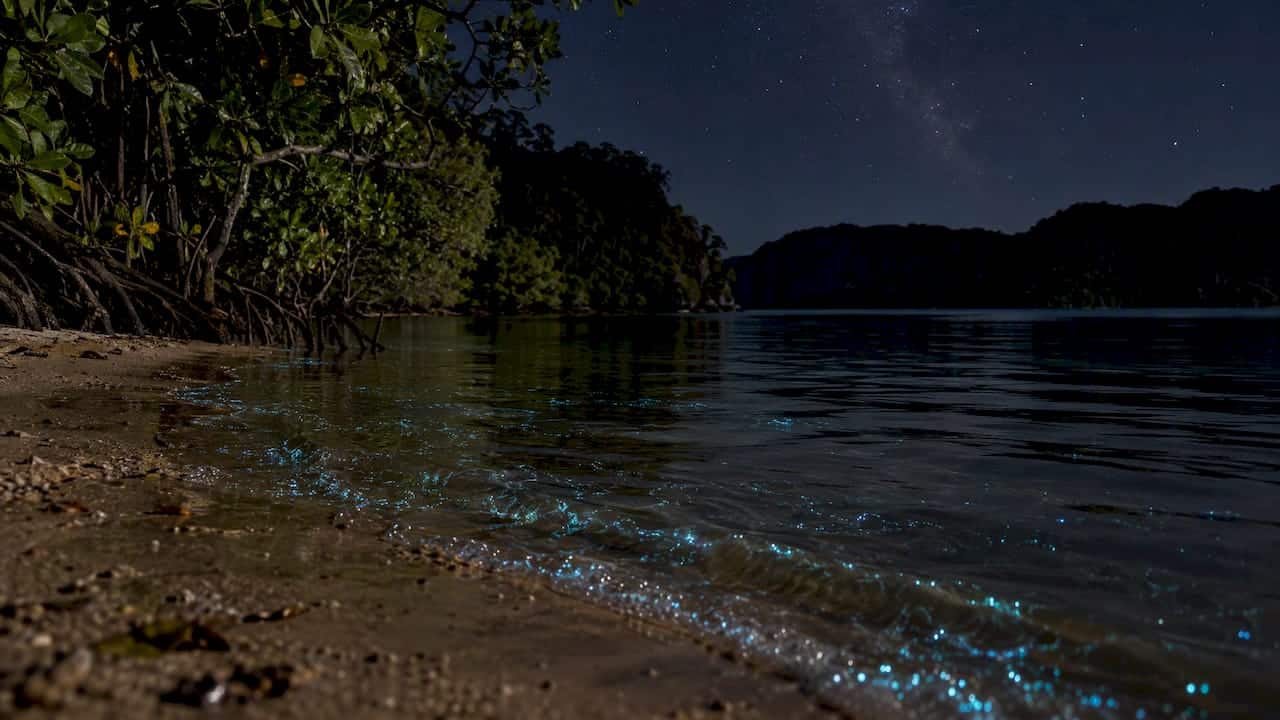
The most reliable time to see bioluminescence in Phuket is during the dry season, from November to April, on nights close to a new moon. Dark skies and calmer seas give you the best contrast, and the hours just after dusk tend to show the brightest flashes. Outside that window, sightings still happen, just less predictably. The next sections break down the timing, the best spots and the conditions that tip the odds in your favour.
TL;DR:
- Prioritize sheltered lagoons in Phang Nga Bay, tidal coves, or Koh Panak over open beaches, where sightings remain inconsistent even on favorable nights.
- After heavy rain, wait a day or two before booking, because runoff and sediment cloud the water and dilute the plankton layer.
- Ask the guide for a gentle paddle stroke: local movement can trigger brighter flashes, but rough seas scatter plankton and reduce visibility.
- Wear the provided life jacket, verify night navigation permits, and enter the water only if the crew confirms conditions are safe.
- For photos, brace a camera against the boat or a mini tripod and use a 10 to 30 second exposure; phones often miss the glow.
Table of Contents
- When to plan your trip: months, moon phases and time of night in Phuket
- Best types of spots and reliable areas near Phuket to search for glowing water
- Environmental and observational factors that increase your chance of seeing bioluminescence
- Practical steps: tour formats, safety, what to bring and how to photograph the glow
- A local view on bioluminescence nights in Phuket
- What the conventional advice gets wrong about chasing the glow
- Book a Phuket bioluminescence night tour with us
- FAQ
- Sources
When to plan your trip: months, moon phases and time of night in Phuket
Phuket runs on a tropical monsoon climate, and the dry season from November to April brings the clearest nights and the calmest water, which is exactly what you want for spotting glowing plankton. The wetter months, from May to October, bring more rain, more runoff and murkier seas, all of which make the glow harder to see even when the plankton are present.
Bioluminescence only happens after dark, and it shows up best when there is no competing light. A new moon, or the few nights either side of it, gives you the darkest sky and the strongest contrast against the water.
A few things to keep in mind when picking your dates:
- Book trips in the dry season (November to April) for the best odds of clear, calm nights.
- Check a lunar calendar and aim for dates within a few days of the new moon.
- Head out in the first few hours after sunset, when displays tend to be brightest.
- Stay flexible: heavy rain or a cloudy, bright moon can both knock the odds down, so a reputable operator should be willing to adjust your date if conditions look poor.
Sightings outside the dry season do happen, but storm runoff and churned-up sediment cut visibility fast, so build a buffer day or two into your itinerary if you can.
Best types of spots and reliable areas near Phuket to search for glowing water
Open beaches can produce a glow on the right night, but sheltered water is usually your better bet. Enclosed lagoons, quiet bays and mangrove-lined inlets trap plankton in calmer conditions, away from the mixing and wave action that scatters them across open coastline. That concentration is what turns a faint shimmer into a display worth the boat ride.
When you are choosing where to go, ask your guide about:
- Sheltered lagoons in Phang Nga Bay, where limestone walls block wind and keep the water glassy at night.
- Hong Island-style tidal coves, which fill and empty with the tide and often hold denser plankton pockets.
- Cave and lagoon systems around Koh Panak, where narrow entrances limit water exchange and let bioluminescent organisms build up.
- Quiet bays close to Phuket’s own coastline, useful on nights when a longer run out to Phang Nga is not practical.
Some beaches around the island report occasional glow, usually after a bloom pushes closer to shore, but it is inconsistent. A guided trip into sheltered water gives you a far more dependable shot at seeing it, which is why most night tours out of Phuket head for lagoons and coves rather than open sand. We cover specific logistics for several of these areas on our guide to where to see bioluminescence near Phuket, and if you are weighing Phuket against other parts of southern Thailand, our breakdown of why Phang Nga’s lagoons often outperform Krabi’s beaches explains the difference in plain terms.
Environmental and observational factors that increase your chance of seeing bioluminescence
A handful of conditions decide whether a night out turns into a proper light show or a quiet paddle in the dark.
- Moon phase: a new moon or heavily overcast night keeps ambient light low, so the glow stands out far more clearly than on a bright, moonlit night.
- Sea state and wind: calm water generally makes the glow easier to spot, but a small amount of local turbulence, like a paddle stroke or a gentle wake, can actually trigger brighter flashes. Research on turbulence and dinoflagellates found that intermittent straining in the water makes flashes brighter, even though rough open seas make the whole experience less comfortable and harder to see.
- Water clarity and recent rain: heavy runoff after a storm stirs up sediment and dilutes the plankton layer, so waiting a day or two after a big downpour usually pays off.
- Salinity: some studies on salinity and bioluminescence intensity suggest that higher salinity often correlates with stronger light output in certain dinoflagellate species, though this varies by location and is more of a backdrop detail than a booking rule.
- Night-only biology: the glow comes from a built-in circadian rhythm. Dinoflagellate research shows these organisms are suppressed by daylight and brighten only once true darkness sets in, often peaking several hours into the night.
Pro Tip: Ask your guide to dip a paddle gently into the water as you glide along. That small disturbance is often enough to spark a visible flash without disturbing the water enough to cloud it.
Practical steps: tour formats, safety, what to bring and how to photograph the glow
Three main formats get you out to see the glow: guided kayak trips, small-boat night tours and private charters. Kayaks put you right at water level, close enough to dip a hand and watch the flashes trail off your fingers. Small-boat tours cover more ground and offer a steadier ride if you are prone to seasickness. Private charters give you the most control over timing, letting you chase a new-moon night without working around a group schedule.
Before you book, run through this checklist:
- Confirm life jackets are provided and worn throughout the trip.
- Check that the operator holds the proper permits for night navigation in the area you are visiting.
- Ask about the weather forecast for your date and whether a reschedule is possible if conditions turn poor.
- Avoid entering the water yourself unless the crew confirms it is safe on that particular night.
We go into more depth on what to check before booking on our guide to life jackets and permits for bioluminescent night tours.
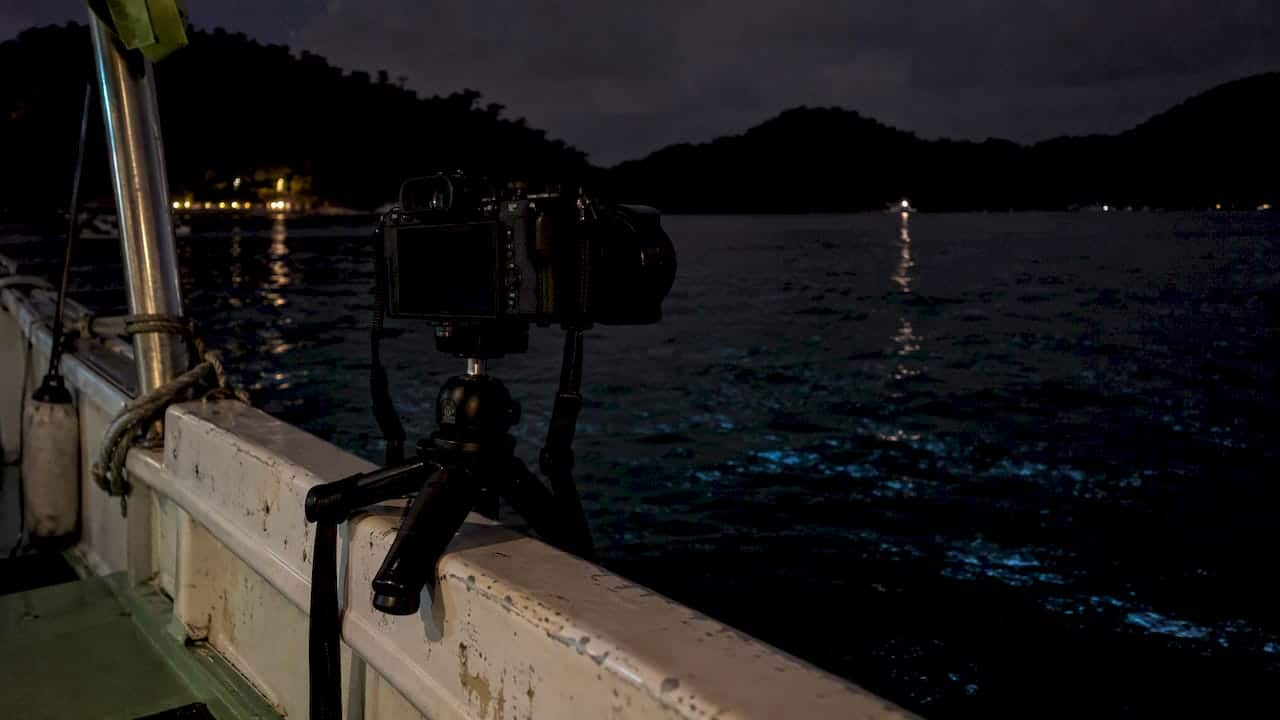
Pack light, breathable clothing, a reliable insect repellent and a torch you only use when told to, since bright light washes out the glow for everyone nearby. If you want photos, a phone camera rarely captures what your eyes see. A stable camera with a 10 to 30 second exposure, braced against the boat rail or a mini tripod, gives you a better shot at recording the shimmer.
A local view on bioluminescence nights in Phuket
Clients who join our night tours tend to notice the same pattern: calm, dark nights near a new moon produce the most consistent flashes, while bright or choppy nights are hit and miss even in good months. We built our night-tour safety guidance around that pattern, alongside the practical checks every operator should run before heading out after dark.
What the conventional advice gets wrong about chasing the glow
Most guides treat bioluminescence as a fixed calendar event, as if marking a new moon on a map guarantees a show. It does not. The season and moon phase set the odds, but water clarity, recent rainfall and even how gently your guide disturbs the surface decide whether you actually see anything worth remembering.
The bigger mistake is overlooking turbulence. Many travellers assume dead-calm water is always best, when a little localised movement, a paddle stroke, a slow wake, often produces the brightest flashes precisely because it disturbs the dinoflagellates enough to trigger their light without churning up the whole bay.
If you take one thing from this guide, prioritise the site over the date. A sheltered lagoon on an average night will usually out-perform an open beach on a picture-perfect new moon. Pick your location first, then fit the moon phase and weather around it.
— Carl
Book a Phuket bioluminescence night tour with us
We build our night tours around the conditions that actually matter: sheltered lagoons, calm water and dates timed close to a new moon wherever your schedule allows. The tours handle the route planning, permits and safety checks, so your evening comes down to watching the water rather than worrying about logistics. Hotel pick-up is arranged as part of the trip, and recent sighting reports are monitored before confirming departure.

Browse available cruising and private boat options or see the full tours catalogue to find a night excursion that fits your dates. Booking takes a few minutes online or over WhatsApp, and you can inquire about the best nights for your trip before committing.
FAQ
Which month should I avoid for a Phuket trip?
September and October tend to bring the heaviest rainfall and roughest seas in Phuket, which makes boat trips and bioluminescence viewing less reliable during those months. If your main goal is seeing the glow, the dry season from November to April is a safer bet.
Where else in Thailand can I see bioluminescence?
Bioluminescent plankton can appear in sheltered bays and lagoons across southern Thailand, not only around Phuket and Phang Nga Bay. Conditions matter more than the specific stretch of coast: calm, dark, enclosed water gives the best chance anywhere in the region.
Does a Phuket beach glow every night?
No, beach glow is inconsistent and depends on plankton density, moon phase and water clarity on any given night. Sheltered lagoons and coves near Phang Nga Bay tend to offer steadier results than open beaches.
Which country has the strongest bioluminescence?
There is no single definitive ranking of countries by bioluminescence strength, since displays depend on local plankton blooms, water chemistry and conditions rather than national borders. Thailand, the Maldives and parts of Puerto Rico are commonly cited for reliable sightings, but intensity varies night to night even within the same bay.
Sources
- Understanding Bioluminescence in dinoflagellates — how far have we come?
- Climate: Phuket Province
- Effect of salinity on the bioluminescence intensity of heterotrophic and autotrophic dinoflagellates
- Bioluminescence in turbulence: intermittent straining lights up dinoflagellates


