
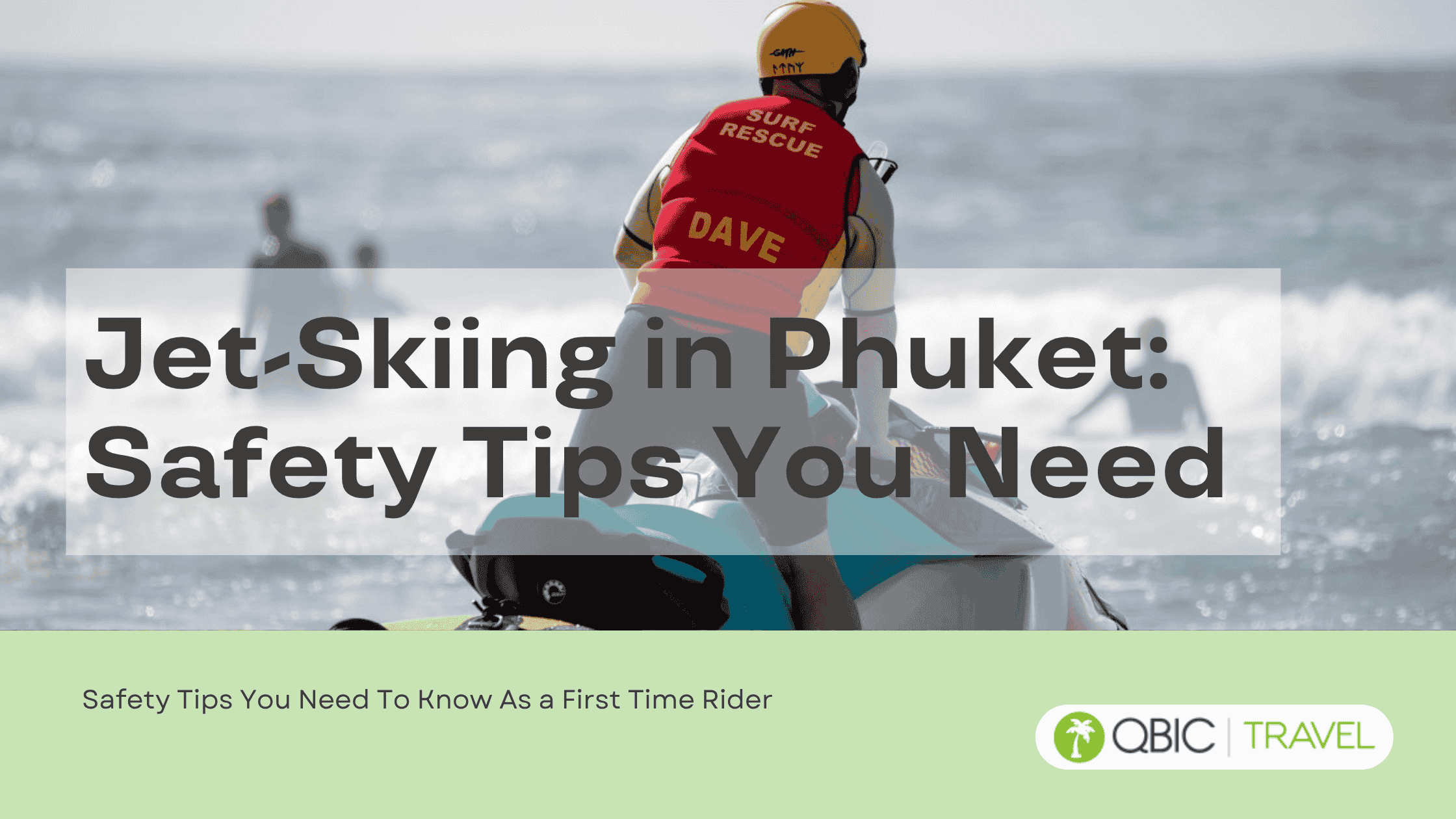
Jet-Skiing in Phuket: Safety Tips You Need To Know As a First Time Rider
Imagine the thrill of jet skiing across the water, with the sea breeze brushing against your face as you navigate the vibrant coastline of Phuket on a jet ski. Jet-skiing in this tropical paradise offers not just an exhilarating experience but also an adventure sport that attracts enthusiasts from around the globe. However, prioritizing safety is crucial to ensuring a fun and secure adventure.
This article will explore safety tips to equip you with the knowledge necessary for an unforgettable and safe jet-skiing adventure in Phuket, including how to prepare for emergencies with a reliable plan and necessary equipment.
Understanding Your Jet Ski
Jet skiing is an exhilarating water activity that offers thrill seekers an adventurous experience. However, to fully enjoy this experience, it’s crucial to understand your personal watercraft (PWC). A jet ski’s performance and your safety on it depend significantly on knowing its features and limitations. Familiarizing yourself with your jet ski can not only enhance your enjoyment but also reduce the risk of accidents.
Familiarize Yourself with the PWC Controls
Before hitting the water, it is essential to familiarize yourself with the controls of your jet ski. Understanding how to operate the throttle, steering, and braking systems is vital for safe navigation. The throttle is typically operated by a hand lever and controls your speed; maintaining a safe speed is crucial for reducing the risk of accidents. Many modern jet skis come equipped with a braking system, which can drastically affect your reaction times and stopping distance, ensuring better control in emergencies. Practicing in a controlled environment can help you gain confidence and improve your skills on the water.
Importance of Life Jackets and Lanyards

Life jackets and lanyards are two of the most important safety features when enjoying water sports on a jet ski and ensuring a safe ride. A well-fitted life jacket, or personal flotation device, is essential for buoyancy in the case of falling off your jet ski, and it is required by law in many regions, adhering to boating safety guidelines. It should be snug yet comfortable, allowing for easy movement. Equally important is the safety lanyard, which should always be attached to the engine cut-off switch and secured to your wrist or life jacket. In the case of an unexpected fall, the lanyard ensures that the engine stops immediately, preventing the jet ski from driving off without you or hitting others. Together, these devices significantly increase your safety on the water by minimizing risks and enhancing your control over your personal watercraft.
Other Essential Safety Equipment
Other essential items include a whistle or horn for signaling, a waterproof cell phone case, eye protection and possibly a GPS device.
Adhering to Local Regulations
When it comes to jet skiing, adhering to local regulations is crucial to ensuring safe and enjoyable experiences on the water. Understanding these guidelines helps not only in minimizing the risk of accidents but also in protecting marine life and upholding the integrity of water ecosystems. Whether you’re an experienced rider or a novice, being well-informed about the regulatory framework of your local water areas is essential. This knowledge encompasses jet ski operating requirements, legal riding zones, and speed limits, all of which are designed to balance exhilaration with safety.
Weather and Surrounding Awareness
Jet skiing is an exhilarating water sport that provides both adventure and relaxation. However, ensuring safety while jet skiing requires a keen awareness of both weather and surroundings. Being mindful of your environment can significantly reduce the risk of accidents and ensure a safe experience.
Monitoring Weather Conditions
Weather conditions can dramatically impact the safety of your ride. Before setting out, always check the weather forecast. If the forecast predicts rough waters or storms, it’s wise to reconsider your plans. Such conditions increase the risk of accidents and can lead to difficult, potentially hazardous encounters.
Staying Aware of Your Surroundings
Staying aware of your surroundings while jet skiing is as crucial as monitoring the weather. Awareness of your environment can prevent many incidents before they occur. Always maintain a safe distance from other watercraft and obstacles, such as buoys and shoreline features. This space allows for ample reaction times should an unexpected situation arise, minimizing the risk of collision.
Steering Clear of Alcohol Consumption
Alcohol consumption while jet skiing can drastically impair judgment and reaction times, increasing the likelihood of a loss of control and accidents. It’s imperative to steer clear of alcohol before and during any jet ski activities to keep yourself and others safe. Operating a personal watercraft under the influence not only multiplies the risk of collisions but also impairs your ability to adhere to speed limits and maintain safe distances from other watercraft.
Preventing High-Speed Collisions
High-speed collisions are a common hazard in jet skiing, often stemming from excessive speed and failure to maintain safe distances. To prevent these potentially dangerous accidents, always adhere to established speed limits, particularly in crowded or restricted areas. Staying vigilant on the water by consistently scanning your surroundings and watching for obstacles or other craft can further reduce the risk of collisions. It’s also crucial to maintain a safe distance from other vessels to allow ample time to react and avoid sudden obstacles or changes in direction. As a first time rider, it is imperative you keep a slow speed while you gain familiarity with the controls and the water.
Minimizing Mechanical Failures
Mechanical failures can unexpectedly interrupt a day of jet skiing, posing safety concerns. Regular maintenance and pre-checks are crucial in minimizing these interruptions. Always inspect your personal watercraft for any signs of wear and tear, checking critical components like the engine, throttle, brake systems, and safety lanyard. It is also heavily advised to not wear loose clothing and tie up long hair to prevent it from getting caught in the mechanics of the jet ski.
Preparing for Emergencies
Jet skiing can be an exhilarating water experience, but it’s crucial to be prepared for emergencies to ensure safety and enjoyment. Understanding the potential risks and preparing for unexpected situations can make a significant difference in avoiding accidents. As a new rider, you should always opt for a guide on any jet ski tours. With the jet ski safety tips they provide, this guide should also inform you of the emergencies to be aware of and to avoid. Following these rules helps you avoid dangerous situations on the water, internal injuries and ensures an enjoyable jet skiing experience. Our jet ski tours at QBIC provide you with all the essential safety gear and preparation you need as an inexperienced jet ski rider so there is nothing to fear. Book your jet ski tour today, to take in the beauty of Phuket, Krabi or the Phi Phi Islands and fast speeds.


