

How multi-activity tours work: your 2026 guide
A multi-activity tour is a curated travel itinerary that combines multiple outdoor pursuits, such as hiking, kayaking, cycling, and ziplining, within a single trip to give you a richer, more varied experience of a destination. Rather than repeating the same activity day after day, you move through different physical disciplines, terrains, and environments. This format, often called a multi-sport or multi-adventure tour in the industry, suits travellers who want depth over repetition. Phuket, Costa Rica, and the Swiss Alps are among the most popular multi-activity destinations, and operators like Qbictravel have built entire programmes around this approach.
How multi-activity tours work: structure and itinerary
Most multi-activity tours combine 4 to 6 distinct activities within a single itinerary. That figure is not arbitrary. It reflects the practical limit of what a traveller can absorb physically and mentally without fatigue setting in. A typical tour runs between 5 and 10 days, with one or two activities per day and at least one designated rest or transition day built in.
A well-designed itinerary follows a clear logic:
- Arrival and orientation day. You settle in, meet your guide, and receive a briefing on the week ahead. Equipment is checked and fitted.
- Opening activity. Usually a moderate hike or scenic cycle to warm up the group and establish a shared pace.
- Mid-tour peak activity. The most physically demanding experience, such as a full-day kayaking route or a high-altitude trail, placed when energy levels are highest.
- Transition or rest day. Seasoned guides schedule rest days by day three of a multi-day itinerary. This prevents the burnout that derails single-sport trips.
- Closing activity. A lighter, often culturally rich experience, such as a boat cruise or a city tour, that winds the group down before departure.
Accommodation on guided tours typically runs to 4 or 5-star hotels with daily breakfast included. Professional local guides handle safety briefings, equipment, and on-the-ground logistics. Support vehicles act as mobile base camps, carrying gear between activity points so you never have to lug a heavy pack from a kayak to a mountain trail.
Pro Tip: Ask your operator whether a support vehicle is included before you book. Self-guided tours without one require you to manage all your own equipment, which adds significant logistical pressure.

What are the real benefits of multi-activity tours?
The most underrated benefit is perspective. Cycling sections of a destination are simply inaccessible on foot, and vice versa. A single activity locks you into one vantage point. A multi-sport itinerary layers those vantage points, giving you a genuinely fuller picture of a place.
The physical benefits are equally compelling:
- Muscle group rotation. Alternating activities engages different muscle groups, which aids recovery and reduces the cumulative soreness that builds on single-sport trips. Your legs recover from a long hike while your upper body works through a kayaking session.
- Reduced injury risk. Repeating the same movement pattern daily is a leading cause of overuse injuries on adventure trips. Variety breaks that cycle.
- Cognitive sharpness. Switching between activities trains the mind to read changing conditions quickly. You become more adaptable, not just fitter.
- Group cohesion. Mixed-ability and mixed-interest groups stay engaged because no single activity dominates the entire trip.
“Multi-activity tours act as diplomatic solutions for groups with varied interests, allowing all members to stay engaged and increasing overall satisfaction through variety without forcing participants into unwanted activities.”
That last point matters more than most travellers realise. Multi-activity tours serve as diplomatic solutions for groups where one person wants adrenaline and another wants culture. The format absorbs both without compromise.
How to prepare and plan for a multi-activity tour
Preparation separates a brilliant trip from a painful one. The physical demands of a multi-sport itinerary are broader than a single-activity holiday, so your training needs to match.
Key preparation steps:
- Cross-train 4 to 8 weeks before departure. Experts recommend limiting pre-trip training to 2 to 3 major sports that mirror your tour’s activities. If your itinerary includes cycling and kayaking, train both. Do not just run.
- Build in rest days during training. The same principle that applies on tour applies in preparation. Overtraining before you leave is a common and avoidable mistake.
- Account for transit time. Travellers consistently underestimate how long transfers between activity points take. A two-hour drive between a mountain trail and a coastal kayak launch eats into your day.
- Check the operator’s safety certifications. Reputable providers hold certifications from recognised bodies and carry liability insurance. Ask to see both before you pay a deposit.
- Review the difficulty options. The best tours offer flexible mileage and difficulty options so that faster and slower participants can both complete the day without the group fracturing.
Pro Tip: Pack layers you can remove quickly. Temperature shifts between a shaded forest trail and an open water kayak session can be dramatic, especially in tropical destinations like Phuket.
Planning multi-activity tours also means thinking about what you are not doing. Resist the temptation to fill every hour. The operators who build in breathing room consistently receive better reviews than those who pack twelve activities into seven days.
How to choose the right multi-activity tour for you
Choosing well comes down to matching the tour’s design to your actual goals, not your aspirational ones. Be honest about your fitness level, your tolerance for group travel, and how much comfort you need at the end of a hard day.
| Factor | What to look for |
|---|---|
| Activity mix | At least 3 distinct activity types covering land, water, or aerial disciplines |
| Intensity level | Clear difficulty ratings per day, with easier route options available |
| Group size | Smaller groups (under 12) allow more personalised pacing and guide attention |
| Accommodation | Confirmed hotel standard and meal inclusions listed before booking |
| Customisation | Option to swap or skip activities without penalty |
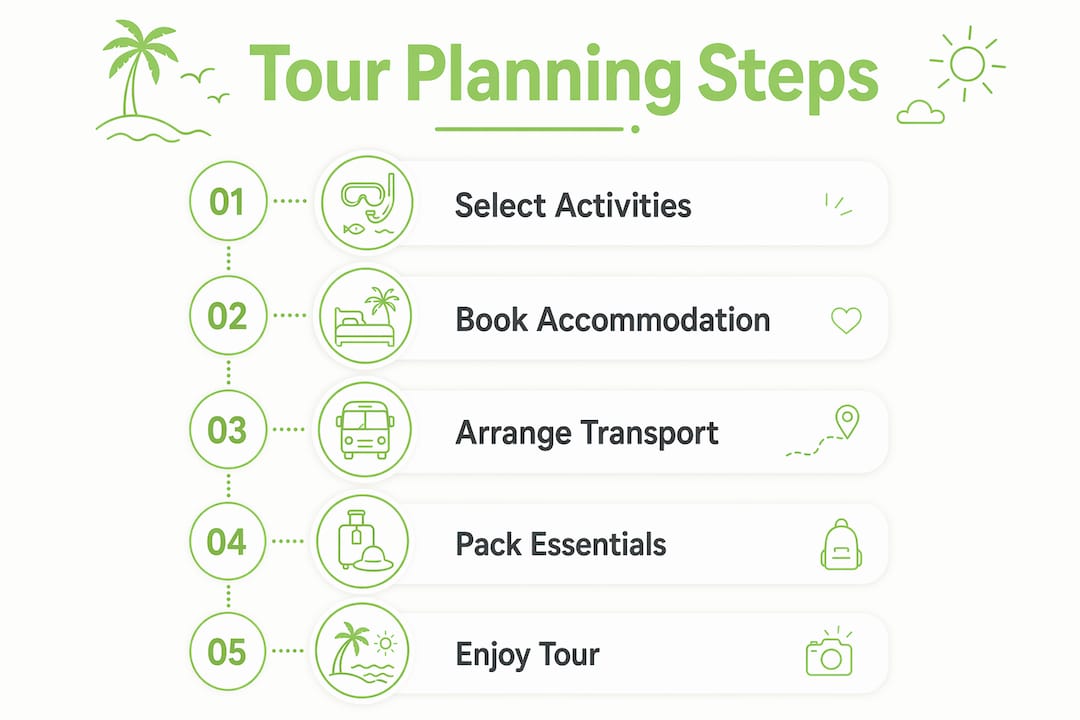
Guided tours suit most travellers because 76% of adventure travel participants prefer guided packages for their consolidated logistics. Self-guided options work well for experienced travellers who want full control but require significantly more pre-trip planning.
Customer reviews are your most reliable filter. Look specifically for comments about guide quality, how the operator handled problems, and whether the pacing felt right. A 4.5-star rating backed by over 200 verified reviews, as Qbictravel holds on Trustindex, tells you far more than a polished brochure. You can browse Qbictravel’s full tour catalogue to compare activity mixes and read verified guest feedback before committing.
For families weighing up the format, the guide on family adventure tourism covers the specific considerations around age-appropriate activity mixes and group pacing.
Key takeaways
Multi-activity tours deliver the deepest destination experience when the itinerary balances varied activities, structured rest, and flexible difficulty options across a well-paced schedule.
| Point | Details |
|---|---|
| Activity count matters | Tours combining 4 to 6 activities hit the sweet spot between variety and fatigue. |
| Rest days are not optional | Guides schedule recovery by day three to prevent burnout and injury. |
| Support vehicles change everything | Operator-managed gear logistics make transitions between activities smooth and stress-free. |
| Flexibility keeps groups together | Flexible difficulty options stop mixed-ability groups from fragmenting mid-tour. |
| Reviews beat brochures | Verified guest feedback on guide quality and pacing is the most reliable booking signal. |
Why multi-activity tours are the future of active travel
I have spent years watching travellers return from single-sport trips with a nagging sense that they only saw one side of a place. A week of hiking in northern Thailand is extraordinary. But the traveller who also kayaked a river section and rode an ATV through jungle trails came home with something richer. They did not just visit. They understood.
What strikes me most about well-run multi-activity tours is the pacing intelligence behind them. The best operators do not just stack activities. They sequence them so that the physical load shifts, the scenery changes, and the emotional rhythm of the trip has genuine highs and quieter moments. That is craft, not logistics.
The growing preference for varied itineraries also reflects something real about how travellers have changed. People want to feel capable across different environments, not just expert in one. A multi-sport trip trains that adaptability in a way that a single-discipline holiday simply cannot. I think that is why this format keeps growing, and why destinations like Phuket, with their mix of coastline, jungle, and cultural sites, are so well suited to it.
— Carl
Plan your next multi-activity adventure with Qbictravel
Phuket is one of the world’s most naturally varied destinations for multi-activity travel. Jungle trails, open water, and coastal roads sit within minutes of each other, which makes combining activities genuinely practical rather than aspirational.
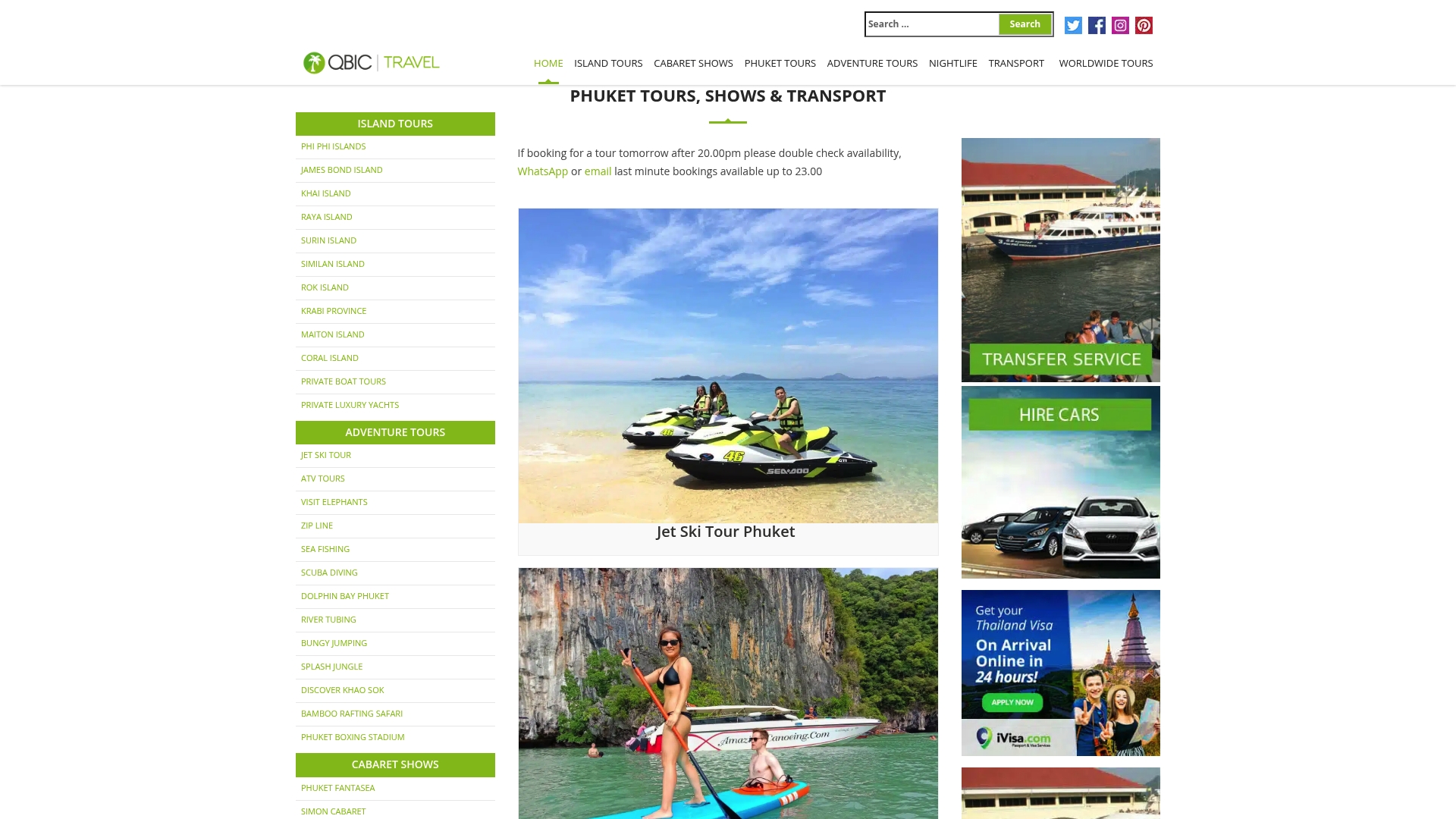
Qbictravel specialises in exactly this kind of varied, expertly organised experience. From jet ski tours across Phuket’s islands to ATV adventures through lush terrain, the team builds itineraries that keep you moving, engaged, and well looked after. With a 4.5-star rating from 237 verified reviews and 99% issue-free service confirmed by Trustindex, Qbictravel takes the planning pressure off so you can focus on the experience. Browse the full range of tours and put together your ideal combination today.
FAQ
What is a multi-activity tour?
A multi-activity tour is a curated travel itinerary combining multiple outdoor pursuits, such as hiking, cycling, and kayaking, within a single trip. The format gives travellers varied physical and sensory perspectives of a destination that a single-sport trip cannot provide.
How many activities are typically included?
Most multi-activity tours include 4 to 6 distinct activities across the full itinerary. Professional operators sequence these to balance physical demand with recovery, usually building in a rest or transition day by day three.
Do I need to be very fit to join a multi-activity tour?
A moderate fitness level suits most tours, especially those offering flexible difficulty options per activity. Experts recommend cross-training across 2 to 3 relevant sports for 4 to 8 weeks before departure to reduce injury risk.
Are guided tours better than self-guided for multi-activity trips?
Guided tours are the preferred choice for the majority of adventure travellers because they consolidate logistics, equipment, and safety into a single managed package. Self-guided options suit experienced travellers who are comfortable handling their own gear and route planning.
How do I book a multi-activity tour in Phuket?
Browse a reputable operator’s tour catalogue, check activity combinations, difficulty ratings, and verified reviews, then book directly through the operator’s website. Qbictravel’s Phuket tours page lists current availability and lets you confirm your itinerary online.


