

How adventure tour packages work: your 2026 guide
Adventure tour packages are defined as bundled travel experiences that combine a core thrilling activity with expert guiding, equipment, transport, accommodation, and safety management under a single booking. The industry term for this model is “packaged adventure tourism,” and understanding its structure helps you book with confidence rather than guesswork. A well-designed package handles the logistics so you can focus entirely on the experience. Costs range from £1,200 to well over £12,000 per person depending on destination, duration, and service level. Qbictravel, rated 4.5 from 237 reviews with 99% issue-free services, is a strong example of how a specialist operator structures these packages in Phuket, Thailand.
How adventure tour packages work: the core structure
Every adventure package is built around one central activity. That activity is the reason you booked. Everything else, from the minibus transfer to the packed lunch, exists to support it.
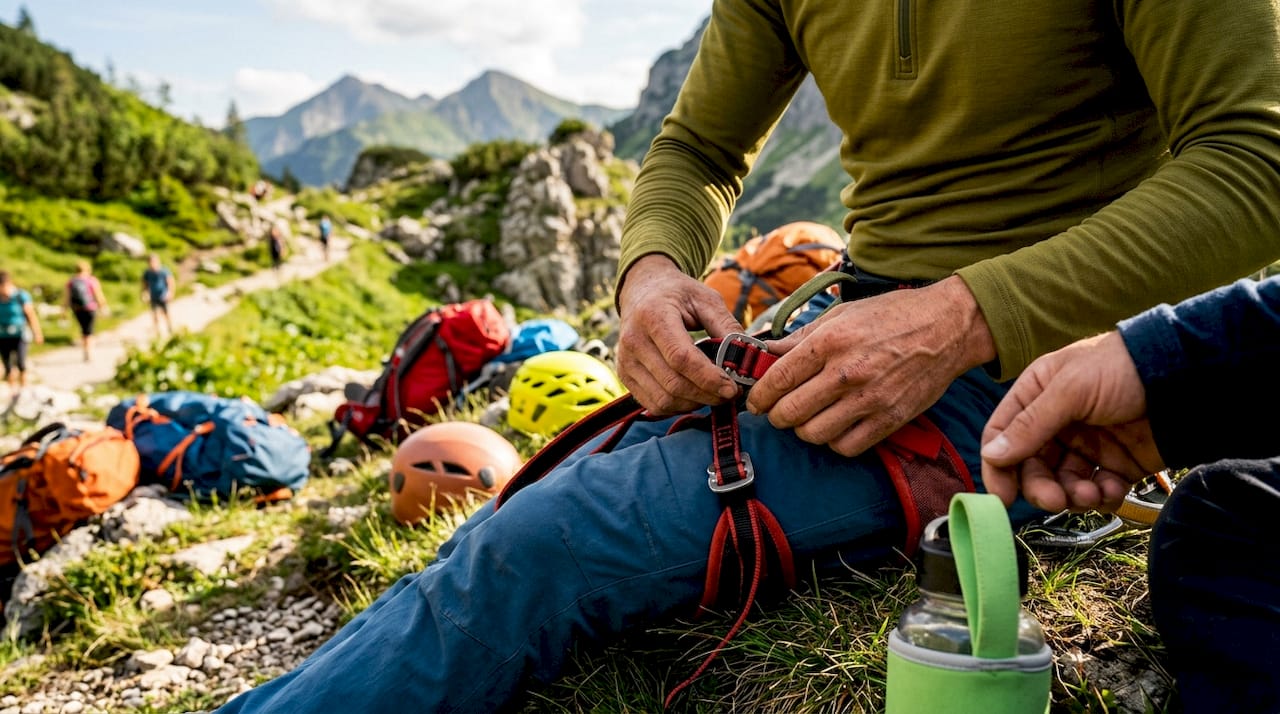
A bundled adventure package typically includes transport, accommodation, guiding, permits, and gear to simplify logistics for travellers. Licensed guides handle safety briefings and equipment, freeing you to focus on the experience itself. This bundling is what separates a packaged tour from booking activities independently.
The core components of any adventure package fall into two categories:
Core elements (the reason you book):
- The primary activity: jet skiing, ATV riding, ziplining, kayaking, hiking, or diving
- A certified guide or instructor for that activity
- All safety equipment specific to the activity
- A structured itinerary with defined start and end times
Supporting elements (what makes it work):
- Return transfers from your hotel or a central meeting point
- Meals or refreshments during the tour
- Accommodation for multi-day packages
- Cultural stops, scenic viewpoints, or secondary activities
- Pre-tour safety briefings and post-tour debriefs
Multi-activity packages layer several experiences into one booking. A zipline and ATV combination, for example, gives you two distinct thrills with one set of logistics. Layered skill progression packages go further, building difficulty across consecutive days so beginners finish feeling like seasoned adventurers.
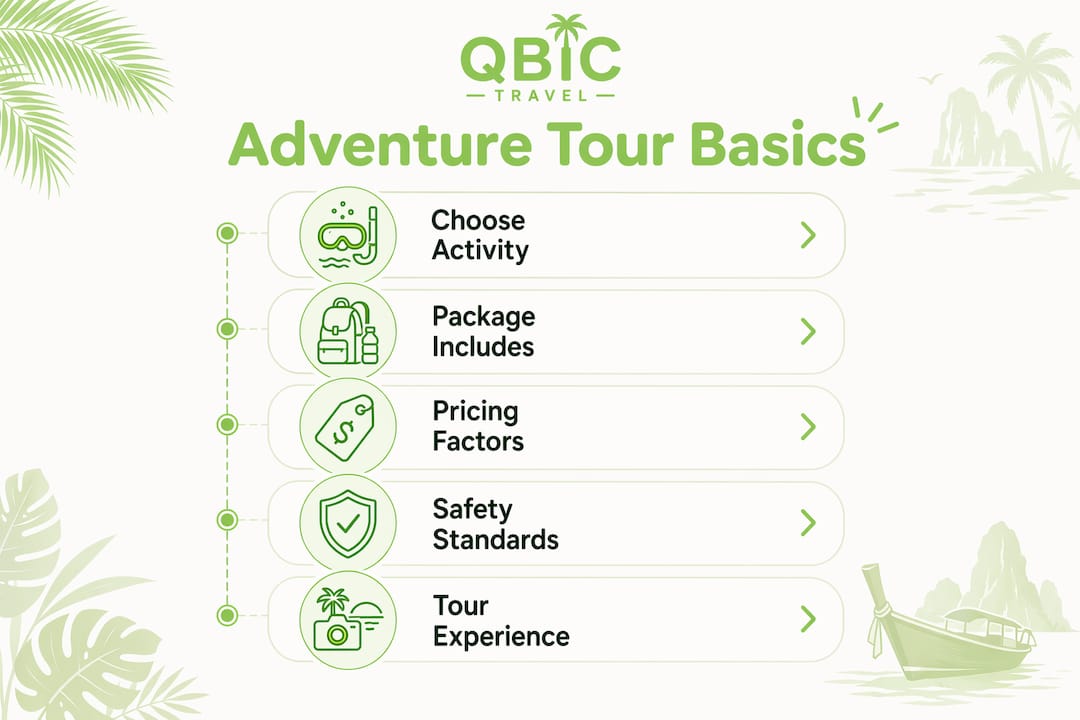
How is pricing structured in adventure tour packages?
Adventure travel costs vary from £1,200 to over £12,000 per person depending on service level, gear, permits, and lodging. That wide range reflects the difference between a “soft” adventure, such as a guided kayak day trip, and a “hard” adventure, such as a technical multi-day mountaineering expedition.
Soft adventure packages suit most fitness levels and carry lower costs. Hard adventure packages require specialist gear, technical guides, and often remote logistics, which pushes prices up significantly. Knowing which category your chosen tour falls into sets realistic expectations before you compare prices.
| Typical inclusion | Usually included | Often charged extra |
|---|---|---|
| Guide fees | Yes | N/A |
| Core activity equipment | Yes | Upgrades |
| Hotel transfers | Yes | Private transfers |
| Permits and entry fees | Varies | Often extra |
| Meals | Sometimes | Full board |
| Travel insurance | Rarely | Always extra |
| Medical evacuation cover | No | Specialist policy |
| Optional excursions | No | Pay on the day |
Experienced travellers focus on the total all-in cost rather than the advertised headline price. Hidden extras can add 20–30% to the initial figure, and a lack of transparency is a reliable signal of a less reputable operator.
Pro Tip: Ask every operator for a written breakdown of what is and is not included before you pay a deposit. A trustworthy operator provides this without hesitation.
What safety standards and certifications ensure a secure adventure tour?
Safety is the non-negotiable foundation of any legitimate adventure package. The ISO 21101:2014 standard is the internationally recognised safety management framework for adventure tourism operators. Reputable providers align their risk management processes with this standard.
Guide credentials matter just as much as operator policies. The two most widely recognised certifications are the Wilderness First Responder (WFR) qualification and the International Federation of Mountain Guides Associations (IFMGA) certification. WFR-trained guides can manage medical emergencies in remote settings. IFMGA guides meet the highest international standard for mountain and technical terrain leadership.
Certified guides and strong safety protocols, including emergency evacuation plans, are critical for safe adventure tours. Groups are generally kept small for better supervision and faster response to any risk. Qbictravel’s guided ATV and jet ski tours, for instance, use checkpoint systems and briefings to manage risk at every stage.
Before you book, verify the following:
- The operator holds or aligns with ISO 21101:2014 risk management practices
- Guides carry WFR or equivalent first aid certification
- The package includes a clear emergency evacuation plan
- Group sizes are capped at a level that allows proper supervision
- The operator carries public liability insurance
- You understand what your own travel insurance covers
Pro Tip: Standard travel insurance often excludes high-risk activities and medical evacuation. Purchase an adventure-specific policy before you travel, not after you arrive.
What can travellers typically expect from an adventure tour experience?
Knowing what to expect from adventure tours removes the anxiety and lets you arrive ready to enjoy every moment. Most packages follow a predictable rhythm once you understand the format.
Here is what a typical day on an adventure tour looks like:
- Morning transfer. Your guide or driver collects you from your hotel at a set time. Punctuality matters because activities are timed around tides, weather windows, or site opening hours.
- Safety briefing. Before any activity begins, your guide runs through equipment, hand signals, emergency procedures, and the day’s route. This is not optional and takes 10–20 minutes.
- Core activity. The main event. Duration varies from 90 minutes for a single-activity tour to a full day for multi-stop itineraries. Guides stay with the group throughout.
- Meals and rest stops. Most half-day tours include a snack or refreshment stop. Full-day tours typically include lunch, either at a local restaurant or a prepared picnic at a scenic spot.
- Optional extras. Many packages build in free time or optional add-ons. You might have the chance to snorkel, visit a temple, or take a cultural detour depending on the itinerary.
- Return transfer. The package ends with a drop-off at your hotel or the original meeting point.
Modern adventure tours are designed with customisable difficulty, making them accessible to a wide range of fitness levels, not just elite athletes. Participants can often choose activity intensity on the day to suit their abilities. This design approach means a group of mixed fitness levels can share the same tour without anyone feeling left behind.
Cultural immersion is a genuine bonus of well-designed packages. Qbictravel’s tours in Phuket weave local knowledge into the experience, whether that is a stop at a fishing village during a coastal tour or a guide explaining the significance of a local landmark during an ATV ride through the hills.
How to plan and book an adventure tour package successfully
Booking the right package takes more than picking the most exciting activity on the page. A little preparation before you pay makes a significant difference to the quality of your experience.
Follow these steps when planning an adventure tour:
- Vet the operator thoroughly. Check verified review platforms for recent feedback. Qbictravel’s Trustindex-verified rating of 4.5 from 237 reviews is the kind of social proof worth looking for.
- Compare all-inclusive pricing. Request itemised quotes from at least two operators and compare what each includes. The cheapest headline price rarely reflects the true cost.
- Confirm safety certifications. Ask specifically about guide qualifications and whether the operator follows ISO 21101 risk management practices. A confident operator answers immediately.
- Check your insurance. Medical evacuation coverage is often excluded from standard travel policies. Confirm your policy covers the specific activities on your itinerary.
- Build in buffer days. Packages with built-in buffer days accommodate unforeseen delays in remote or technical environments, reducing the risk of losing prepaid activities to weather or logistics issues.
- Follow the packing list. Operators provide packing guidance for a reason. Wearing the wrong footwear on an ATV trail or forgetting sun protection on a jet ski tour affects your safety and comfort.
- Read the cancellation policy. Understand the refund terms before you pay. Reputable operators offer clear policies for weather-related cancellations.
The role of local guides in adventure packages extends well beyond safety. A knowledgeable local guide adds cultural context, navigates language barriers, and spots opportunities that no map or app can replicate.
Key takeaways
Adventure tour packages work best when you understand their structure, verify safety credentials, and compare true all-in costs before booking.
| Point | Details |
|---|---|
| Packages bundle logistics | Transport, guiding, gear, and permits are combined so you focus on the experience. |
| Pricing varies widely | Costs range from soft day trips to hard multi-day expeditions; always compare all-in prices. |
| Safety standards matter | Look for ISO 21101 alignment and WFR-certified guides before committing to any operator. |
| Fitness levels are flexible | Most modern packages offer adjustable difficulty, making adventure tours accessible to most travellers. |
| Insurance gaps are common | Standard travel policies often exclude medical evacuation; purchase an adventure-specific policy. |
What I have learned after years of watching adventure tours go wrong
Most travellers who have a bad experience on an adventure tour made the same mistake: they booked on price alone. The headline figure looked great, the photos were epic, and the reviews were thin. Then the guide turned up without a first aid kit, the “included” lunch was a bag of crisps, and the transfer back took three hours in an unlicensed vehicle.
The packages that deliver genuinely memorable experiences share a common trait. They are transparent. The operator lists exactly what is included, the guide’s credentials are verifiable, and the safety briefing is thorough enough to feel slightly tedious. That slight tedium is a good sign.
I have also seen travellers dismiss adventure tours because they assume the activities demand elite fitness. That assumption is wrong for the vast majority of packages. Soft adventure tours, which cover everything from guided kayaking to scenic ATV rides, are designed for normal people with normal fitness levels. The adjustable difficulty built into modern packages means you can push as hard or as gently as you like on the day.
The ancillary services matter more than most people expect. A cold towel after a jet ski tour, a guide who knows the best spot for a photo, a transfer driver who arrives on time. These details are what you remember six months later. Qbictravel’s 99% issue-free service record reflects exactly this kind of attention to the details that most operators treat as afterthoughts.
Book the operator, not just the activity. The activity is the same wherever you go. The operator determines whether it is safe, enjoyable, and worth every penny.
— Carl
Qbictravel’s adventure tours in Phuket
Phuket sits at the centre of some of Thailand’s most thrilling adventure experiences, and Qbictravel has built its reputation on making those experiences accessible, safe, and genuinely fun. With a 4.5 rating from 237 verified reviews and 99% issue-free services, the team knows how to deliver on the promise of a great day out.
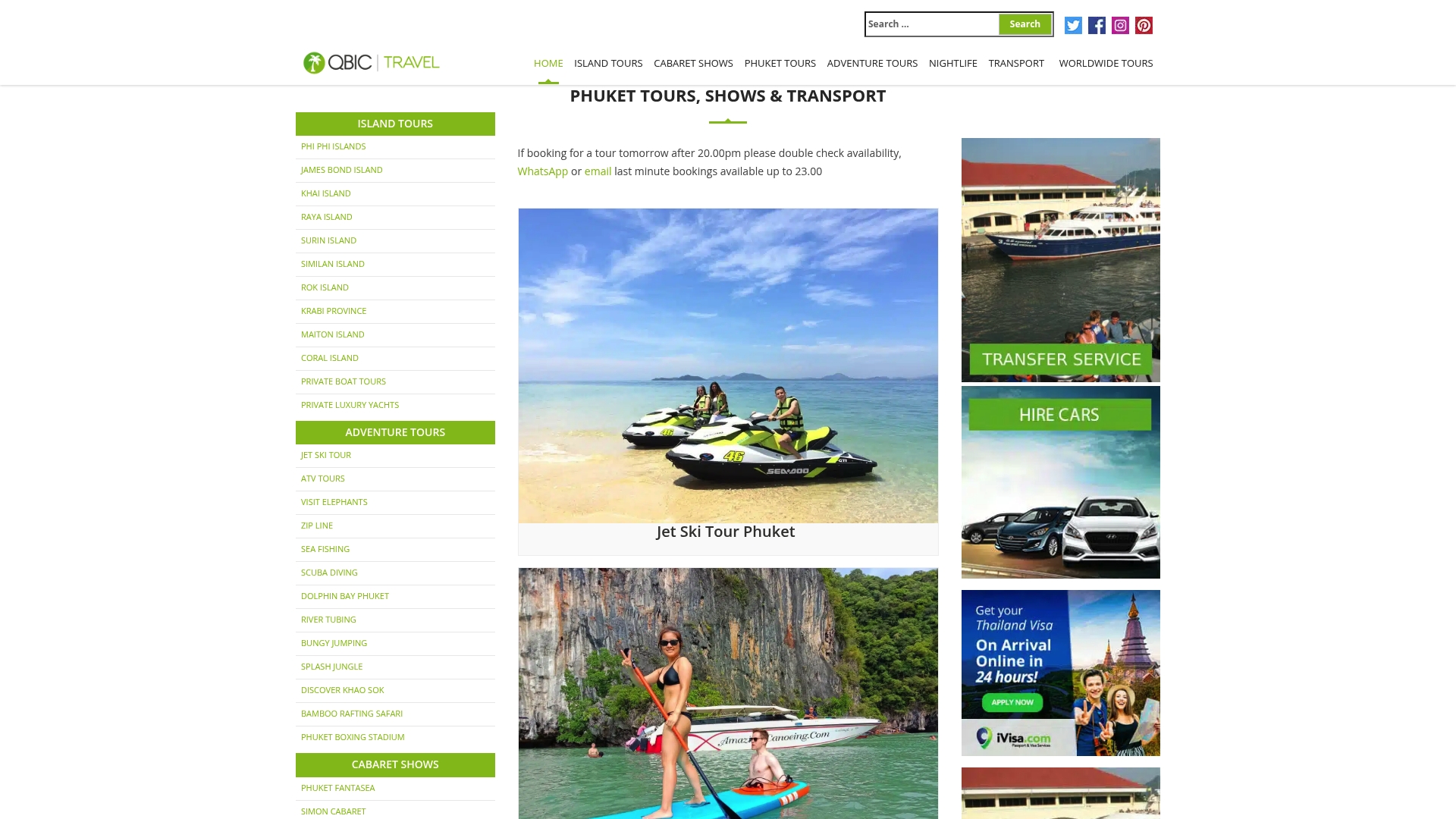
Whether you are after the adrenaline of jet ski tours in Phuket or the lush jungle trails of ATV adventures in Phuket, every package includes expert local guides, full safety briefings, and transparent pricing. Qbictravel also offers combined packages like the zipline and ATV tour for travellers who want to pack more into a single day. Browse the full range and book directly online.
FAQ
What does an adventure tour package typically include?
A standard adventure package includes the core activity, a certified guide, safety equipment, hotel transfers, and a basic meal or refreshment. Permits, travel insurance, and optional excursions are usually charged separately.
How much does an adventure tour package cost?
Adventure tour packages range from around £1,200 to over £12,000 per person. The price reflects activity difficulty, duration, guide credentials, accommodation standard, and what is genuinely included in the booking.
Are adventure tours suitable for beginners?
Most modern adventure packages are designed with adjustable difficulty levels, making them suitable for a wide range of fitness levels and experience. Soft adventure tours, such as guided ATV rides or coastal jet ski tours, require no prior experience.
What safety certifications should I look for in an adventure operator?
Look for operators who align with ISO 21101:2014 safety management standards and employ guides with Wilderness First Responder (WFR) certification or equivalent. Small group sizes and a clear emergency evacuation plan are additional positive indicators.
Do I need specialist travel insurance for an adventure tour?
Standard travel insurance often excludes high-risk activities and medical evacuation. Purchase an adventure-specific policy that explicitly covers the activities on your itinerary before you travel.


