

Types of island hopping experiences: your 2026 guide
Island hopping is defined as a style of travel where you move between multiple islands within a single trip, combining varied activities, cultural encounters, and natural landscapes into one itinerary. The types of island hopping experiences available today range from adrenaline-fuelled adventure tours in the Philippines and Indonesia to leisurely cultural journeys through Greece and the Galapagos. Thailand, with its Andaman Sea and Gulf of Thailand islands, sits at the heart of the best island hopping destinations globally. Whether you are a thrill-seeker, a culture lover, or travelling with young children, there is a format built for you. Itineraries typically span 5–17 days, with shorter focused tours and longer comprehensive routes each offering a distinct experience.
1. What are adventure-focused island hopping experiences?
Adventure island hopping is the most physically demanding category. It centres on activities that put you directly in contact with the natural environment, from underwater to mountain trails. Destinations like Palawan and Coron in the Philippines, Raja Ampat in Indonesia, and the Cyclades in Greece are the gold standard for this style.
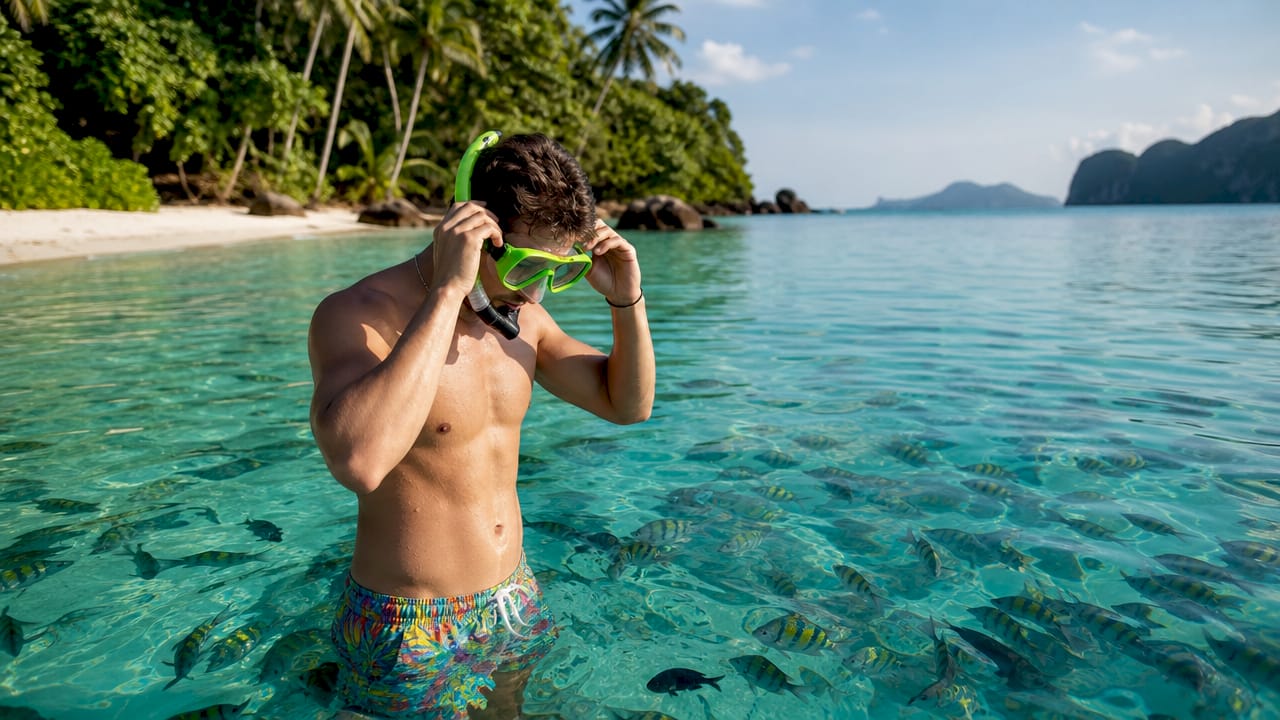
Adventure tours require active participation throughout the trip, not just at peak moments. That means honest self-assessment before you book. A week of kayaking, open-water diving, and coastal hiking is genuinely tiring, and the best operators will tell you so upfront.
Typical adventure island hopping activities include:
- Open-water and wreck diving (Coron, Raja Ampat)
- Sea kayaking through limestone karsts (Palawan, Phang Nga Bay)
- Coastal and ridge hiking (Cyclades, Phi Phi Islands)
- Cliff jumping and wild swimming
- Multi-sport days combining two or more of the above
Physical fitness is a real consideration before booking adventure tours. Operators in Palawan and Raja Ampat routinely ask about swimming ability and fitness level, and for good reason.
Pro Tip: Book a private charter timed for sunrise or late afternoon. Group day-trips cause overcrowding at spots like Maya Bay in Thailand, while a private boat at golden hour gives you the same view with a fraction of the crowd.
2. How do cultural-immersion island hopping experiences differ?
Cultural island hopping prioritises people and places over physical activity. The focus shifts to artisan workshops, historic sites, local markets, and shared meals with communities that rarely see large tour groups. Greece’s Aegean islands, the Visayas in the Philippines, and the inhabited islands of the Galapagos all offer rich cultural programmes.
Moving between islands creates constantly changing cultural encounters, which is the core advantage over a single-resort holiday. Each island brings a different dialect, cuisine, and craft tradition. That variety is what makes the memories stick.
A cultural island hopping itinerary typically includes:
- Guided visits to UNESCO-listed or heritage sites
- Cooking classes using locally sourced ingredients
- Artisan workshops (weaving, pottery, boat-building)
- Morning market tours with local guides
- Homestay or boutique guesthouse accommodation
- Visits to working fishing villages and community cooperatives
Accommodation choices reinforce the experience. Land-based island hopping, where you stay in hotels on each island rather than sleeping aboard a vessel, is common in the Galapagos and Greece. It gives you more time in each community and greater flexibility to follow your curiosity.
3. What defines luxury island hopping experiences?
Luxury island hopping replaces shared ferries and hostel bunks with private speedboats, boutique resorts, and bespoke itineraries built around your schedule. Thailand’s Gulf islands, including Koh Samui and Koh Tao, and exclusive Galapagos expedition vessels are the benchmark for this category.
Luxury tours combine convenience with exclusivity, offering a fundamentally different pace. You are not waiting at a ferry terminal at 6am with forty other travellers. Your boat leaves when you are ready, and your itinerary changes if you want to stay longer somewhere beautiful.
The table below compares the three main island hopping categories at a glance:
| Category | Typical transport | Accommodation | Best for |
|---|---|---|---|
| Adventure | Shared ferry, speedboat | Guesthouses, camping | Active travellers, divers |
| Cultural immersion | Local ferry, land-based | Boutique hotels, homestays | History and food lovers |
| Luxury | Private charter, yacht | Boutique resorts, villas | Couples, special occasions |
Private charters also solve the overcrowding problem. Booking a private boat lets you time arrivals at popular spots before the group tours arrive, which transforms the experience entirely.
4. What family-friendly options are available for island hopping?
Family island hopping works best on routes with reliable infrastructure, calm waters, and activities that work for mixed ages. Koh Samui in Thailand is a strong base for families, offering easy ferry connections to Koh Phangan and Koh Tao with well-established facilities throughout. The Galapagos land-based tours are another excellent option, combining short boat transfers with guided nature walks that children genuinely engage with.
The key is choosing routes where the travel itself is not exhausting. Long open-sea crossings on small boats are uncomfortable for young children. Stick to sheltered bays and short inter-island hops.
Practical considerations for families planning island hopping trips:
- Choose sheltered routes. Andaman Sea routes from Phuket to the Phi Phi Islands are calmer than open-ocean crossings.
- Prioritise snorkelling over diving. Snorkelling is accessible from age five upwards and requires no certification.
- Book land-based accommodation. Sleeping on boats is impractical with young children; hotels on each island give everyone a proper night’s rest.
- Build in beach days. Not every day needs a structured activity. Unscheduled beach time keeps energy levels balanced.
- Check medical facilities. Confirm that each island on your route has basic medical access before you commit to the itinerary.
- Travel in shoulder season. Avoiding peak months reduces crowds at popular spots and often lowers costs significantly.
Family-friendly island hopping is not a compromise. Done well, it is one of the richest travel experiences a child can have.
5. How to select the best island hopping experience for you
Choosing between island hopping tour styles comes down to four factors: activity preference, cultural interest, budget, and travel pace. Get those four right and the destination almost selects itself.
Seasonality is the factor most travellers underestimate. Thailand’s Andaman Sea, which covers Phuket, Krabi, and the Phi Phi Islands, is best visited between december and april. The Gulf of Thailand coast, covering Koh Samui and Koh Tao, runs from february through september. Seasonal windows for optimal access last roughly 4–6 months in each region. Planning around these windows is not optional if you want reliable weather and calm seas.
Avoid combining Andaman and Gulf routes in a single week. The two coasts sit in different microclimate zones, and trying to cover both in seven days means you will almost certainly hit bad weather on one side. Choose one coast per trip.
The table below summarises the best travel windows for major island hopping regions:
| Region | Best months | Notes |
|---|---|---|
| Andaman Sea, Thailand | december–april | Calm seas, low rainfall |
| Gulf of Thailand | february–september | Koh Samui, Koh Tao, Koh Phangan |
| Palawan, Philippines | december–may | Avoid typhoon season |
| Greek Cyclades | may–october | Peak season july–august |
| Galapagos | june–december | Cooler, drier; good for wildlife |
Transport mode shapes your experience as much as the destination. Ferries are affordable and social but run on fixed schedules. Private boats cost more but give you full control over timing and stops. For Phuket island day trips, a private speedboat or jet ski tour lets you reach spots that group ferries simply do not visit.
Pro Tip: Private charters at sunrise give you access to popular bays before the day-trip crowds arrive. At places like Maya Bay, arriving at 7am versus 11am is a completely different experience.
Key takeaways
The most effective island hopping trip matches your activity level, cultural interests, and seasonal timing to a single well-chosen region rather than trying to cover everything at once.
| Point | Details |
|---|---|
| Four core categories exist | Adventure, cultural, luxury, and family-friendly tours each suit different travellers and budgets. |
| Seasonality is non-negotiable | Thailand’s Andaman and Gulf coasts have separate weather windows; plan for one coast per trip. |
| Private charters beat group ferries | Booking a private boat avoids overcrowding and gives you full control over timing and stops. |
| Land-based stays enhance culture | Sleeping in hotels on each island deepens community engagement compared to boat-based cruises. |
| Itinerary length matters | Focused trips run 5–8 days; comprehensive multi-region routes extend to 17 days or more. |
What I have learned from years of island hopping
The travellers who get the most from island hopping are rarely the ones with the longest itineraries. They are the ones who pick one category and commit to it fully. I have seen people try to squeeze adventure diving in Coron, a cultural tour of Cebu, and a luxury resort stay in Boracay into ten days. They end up exhausted and underimpressed by all three.
My honest advice is to resist the urge to cover ground. The primary benefit of island hopping over a static beach holiday is the ever-changing environment, not the number of islands ticked off. Two or three islands explored properly will outperform five islands rushed through every time.
Physical preparation is also underrated. Adventure tours in Raja Ampat or Palawan involve early starts, long days on the water, and genuine exertion. Arriving fit makes the difference between loving it and enduring it.
The cultural category is the one most travellers overlook. Spending a morning in a Filipino fishing village or watching a Greek island potter at work creates a memory that a beach bar simply cannot. If you have not tried a culturally led itinerary, build one into your next trip. You will not regret it.
— Carl
Plan your next island adventure with Qbictravel
Qbictravel operates out of Phuket and specialises in exactly the kind of personalised, off-the-beaten-track island experiences this article describes. From jet ski island tours that reach spots no group ferry visits, to fully planned island tours around Phuket tailored to your pace and interests, the team builds itineraries that actually fit you.
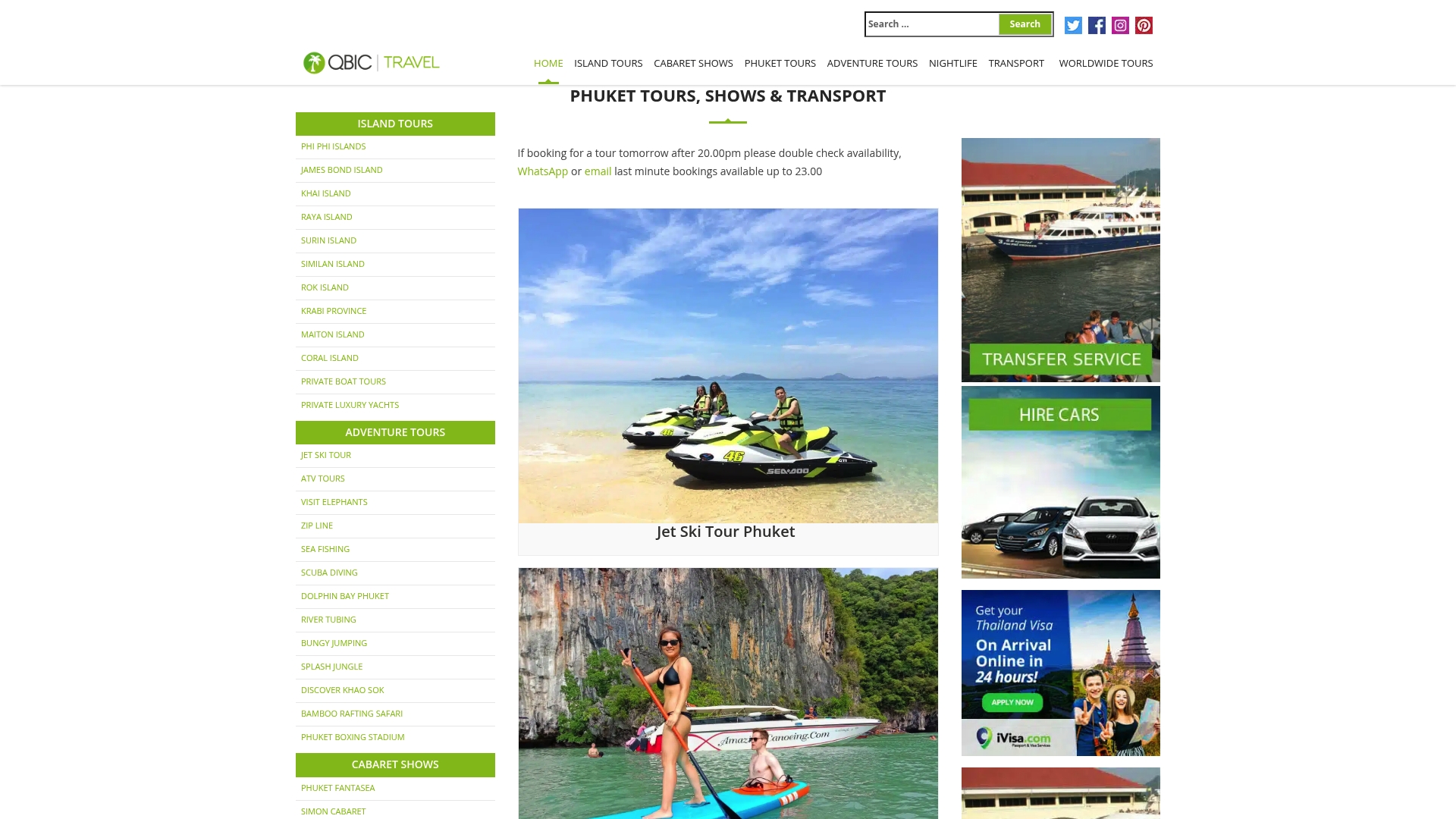
Qbictravel holds a 4.5 rating from 237 verified reviews and reports 99% issue-free services, confirmed by Trustindex. Whether you are after an adrenaline-packed day on the water or a relaxed cultural excursion, the team knows Phuket’s islands in a way that standard operators simply do not. Browse the full range of tours and find the experience that suits your travel style.
FAQ
What are the main types of island hopping experiences?
The four main categories are adventure, cultural immersion, luxury, and family-friendly. Each suits a different travel style, budget, and fitness level.
How long should an island hopping trip be?
Focused island hopping tours typically run 5–8 days for a single archipelago, while comprehensive multi-region routes extend to 17 days or more.
What is the best time to go island hopping in Thailand?
The Andaman Sea is best from december to april, while the Gulf of Thailand coast runs from february through september. Avoid combining both coasts in a single short trip.
Is island hopping suitable for families with young children?
Yes, provided you choose sheltered routes with short inter-island crossings, land-based accommodation, and a mix of structured and unstructured activities. Koh Samui and the Phi Phi Islands are reliable family-friendly bases.
What is the difference between a private charter and a group ferry for island hopping?
A private charter gives you full control over timing, stops, and group size, which reduces overcrowding at popular sites. Group ferries run on fixed schedules and are more affordable but offer far less flexibility.


