

Niche travel experiences explained: your 2026 guide
Niche travel is defined as a specialised journey built around a specific interest or passion rather than a general destination. Unlike a standard beach holiday or city break, these trips place your curiosity at the centre of every decision. Niche travel focuses on specific interests to provide deeper engagement than general destination tours, often featuring specialists such as researchers, chefs, or historians as guides. The industry term for this approach is “special interest travel,” and understanding that label helps you find the right operators, the right itineraries, and the right level of challenge. Qbictravel, based in Phuket, Thailand, is a strong example of how a focused operator translates this philosophy into real, bookable adventures.
What kinds of niche travel experiences exist?
Niche travel covers a wide spectrum, from short, intense expeditions to extended multi-day voyages. Niche adventures vary from three-night wilderness expeditions to 33-day sail-training voyages, each requiring different levels of physical preparation. That range matters because it means there is a format for almost every traveller, not just the ultra-fit or the ultra-wealthy.
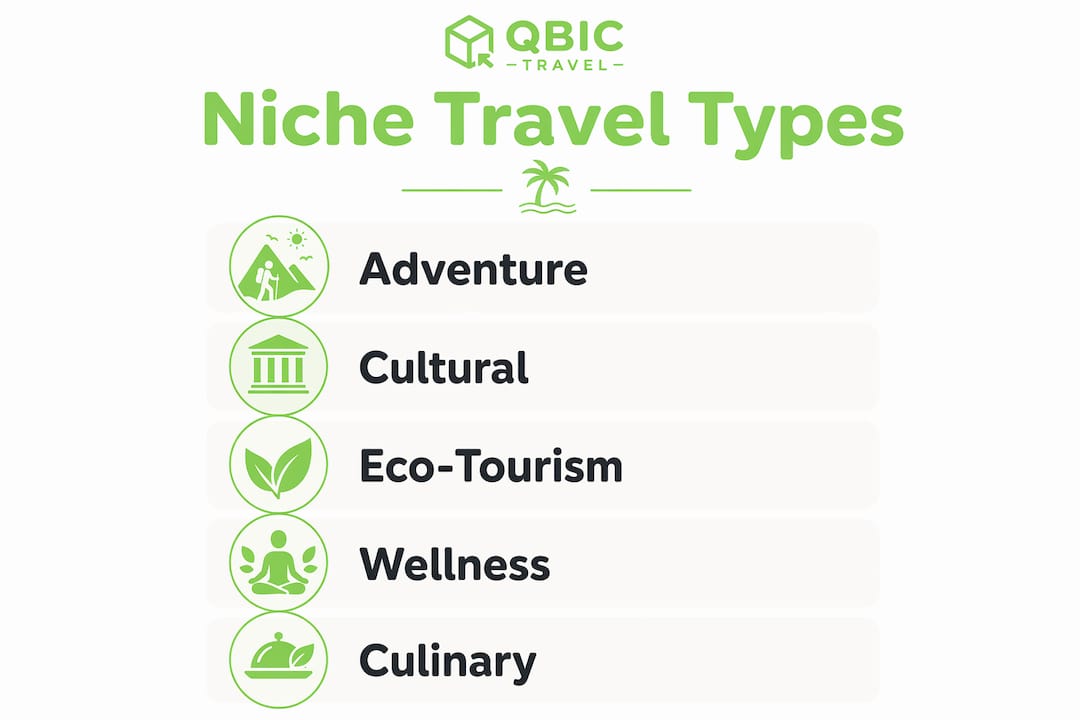
The main categories break down like this:
- Adventure expeditions: Off-road ATV rides, jet ski island tours, packrafting, and sea kayaking. Physical demand is moderate to high.
- Cultural immersions: Temple visits, local cooking classes, craft workshops, and guided heritage walks. Suitable for most fitness levels.
- Culinary journeys: Gastronomy tourism centred on food markets, farm visits, and chef-led tastings. Low physical demand, high sensory reward.
- Themed retreats: Silent reading clubs, yoga intensives, and cookbook author-led workshops in off-grid locations. Duration typically three to seven days.
- Sail and expedition voyages: Multi-week ocean crossings or island-hopping routes with a learning component built in.
| Type | Typical activities | Physical demand | Typical duration |
|---|---|---|---|
| Adventure expedition | ATV, jet ski, trekking | Moderate to high | 1–5 days |
| Cultural immersion | Heritage tours, craft workshops | Low to moderate | Half-day to 7 days |
| Culinary journey | Food markets, chef tastings | Low | 1–3 days |
| Themed retreat | Yoga, reading, creative workshops | Low to moderate | 3–7 days |
| Sail or ocean voyage | Navigation, wildlife spotting | Moderate | 7–33 days |
Each category demands a different kind of preparation. An ATV adventure in Phuket’s jungle terrain calls for sturdy footwear and a reasonable fitness base. A culinary tour of a Thai night market calls for an empty stomach and genuine curiosity.

Pro Tip: Before booking, ask the operator for a typical day schedule. If they cannot describe a specific hour-by-hour outline, the experience is likely more generic than niche.
How to plan and prepare for a niche travel experience
Good planning separates a memorable trip from a frustrating one. Multi-day itineraries with curated guides and digital tools help manage the complexity of niche travel, and AI-driven itinerary planning is increasingly common in 2026. That said, technology is only as good as the local knowledge feeding it.
Follow these steps to plan well:
- Define your core interest. Write down the one thing you most want to do or learn. Everything else flows from that.
- Research operator credentials. Look for verified reviews, years of operation, and evidence of specialist knowledge. Qbictravel, for example, holds a 4.5 rating from 237 reviews and reports 99% issue-free services, verified by Trustindex.
- Check itinerary flexibility. Remote niche expeditions incorporate flexible scheduling to accommodate weather and local conditions. An operator who refuses to adjust plans is a red flag.
- Assess your physical readiness. Be honest. A four-hour jet ski tour around eight islands is genuinely demanding. A cultural city tour is not.
- Confirm what is included. Safety briefings, equipment, meals, and local guide fees should all be listed clearly before you pay.
- Use digital tools wisely. AI itinerary planners can surface options you would not find through a standard search, but always cross-reference with a local expert.
- Book early for peak seasons. Phuket’s dry season runs from november through april. Niche operators fill up fast during those months.
Pro Tip: Call or message the operator before booking. Expert operators use pre-trip conversations to assess whether the experience suits you. If they skip that step, they are running on volume, not expertise.
What makes a niche travel experience deeply meaningful?
The difference between a good trip and a transformative one comes down to intentionality. Successful niche travel is driven by asking “why does this matter to me?” before booking. Trips built around lifelong curiosities produce far stronger memories than checklist tourism.
Several factors push a niche trip from interesting to genuinely profound:
- Specialist guides with real depth. A historian leading a temple tour in Old Phuket Town gives you context that no audio guide can match. Local storytelling transforms a cultural tour from a sightseeing exercise into a living conversation.
- Community built around shared passion. Themed retreats blend shared passions with immersive travel to build genuine connection among participants. You leave with contacts, not just photographs.
- Verified local intelligence. Access to on-the-ground local knowledge is critical for crafting truly immersive experiences. Generic public information produces generic experiences.
- Flexibility over rigid scheduling. The best niche operators adjust on the day. A sudden storm might redirect a boat tour to a hidden lagoon you would never have found otherwise.
- A clear personal reason for being there. The traveller who joins a Phuket ATV jungle ride because they love off-road terrain gets far more from it than the traveller who booked it because it looked good on social media.
“The most powerful niche trips are not the ones with the most activities. They are the ones where every activity connects back to something the traveller genuinely cares about.”
The guest experience framework used by leading hospitality operators reinforces this point. Personalisation at the planning stage, not just the delivery stage, is what creates lasting impact.
How to choose the right niche travel experience for you
Self-knowledge is the most underrated planning tool. Before you look at any itinerary, answer these questions honestly:
- What do I genuinely love doing at home? The answer usually points directly to the right travel category.
- How fit am I, really? Not how fit I plan to be, but how fit I am right now.
- Do I prefer structured days or open exploration?
- Am I comfortable with uncertainty, or do I need a fixed schedule?
- What is my budget, and does it match the operator’s level of service?
Once you have those answers, research operators with the same rigour you would apply to any significant purchase. Operators prioritise traveller fit over volume or price, using conversations to determine whether the experience matches your expectations and physical capacity. An operator who asks you nothing before confirming your booking is not running a niche operation.
Watch out for superficial “niche” marketing. A tour labelled “exclusive” or “unique” that runs three times a day with 40 participants is not niche. True niche travel keeps group sizes small, guides knowledgeable, and itineraries genuinely tailored. Qbictravel’s approach in Phuket, covering everything from ATV jungle adventures to curated cultural excursions, reflects this philosophy: the activities are specific, the groups are manageable, and the local expertise is real.
Pro Tip: Read the negative reviews as carefully as the positive ones. Complaints about rigid scheduling, uninformed guides, or hidden costs reveal far more about an operator’s true nature than their star rating.
Key takeaways
Niche travel delivers its greatest value when intentionality, specialist expertise, and flexible planning combine to create experiences that connect directly with what you genuinely care about.
| Point | Details |
|---|---|
| Define your core interest first | Every planning decision should flow from the one thing you most want to do or learn. |
| Operator expertise is non-negotiable | Pre-trip conversations and verified reviews reveal whether an operator is truly specialist or just marketing as one. |
| Flexibility signals quality | The best niche operators adjust itineraries for weather and local conditions rather than following a rigid script. |
| Intentionality creates meaning | Trips built around lifelong passions produce stronger memories than checklist tourism. |
| Small groups and local knowledge matter | Genuine niche experiences keep group sizes small and rely on verified, on-the-ground intelligence. |
Why niche travel changed how I think about going anywhere
I used to book trips the way most people do: pick a destination, find a hotel, fill the days with whatever looked interesting on a map. The results were fine. Perfectly fine. And that is exactly the problem.
The first time I joined a genuinely niche experience, it was a guided packrafting trip through a remote canyon. The group was small. The guide had spent years on that specific river. Every conversation, every stop, every unexpected detour felt connected to something real. I came home knowing more about that place than I had learned from a decade of conventional travel.
What I have noticed since then is that the operators who deliver this consistently share one habit: they ask more questions than they answer before you book. They want to know your fitness level, your experience, your expectations, and your reasons for coming. That conversation is not a sales tactic. It is quality control. They are protecting the experience for everyone in the group, including you.
The growing popularity of themed retreats and multi-day curated itineraries tells me this is not a passing trend. Travellers are tired of surface-level tourism. They want to leave a place having actually understood something about it. The destinations that reward this approach most are the ones with genuine depth: complex cultures, dramatic landscapes, and local communities willing to share their knowledge with visitors who show up prepared and curious.
Phuket is one of those places. Most visitors see the beaches. The ones who go deeper, through the jungle on an ATV, across the water on a jet ski tour to islands most tourists never reach, or through the lanes of Old Phuket Town with a guide who actually grew up there, come back with something different. Not just photographs. Understanding.
— Carl
Niche adventures in Phuket with Qbictravel
Qbictravel specialises in exactly the kind of focused, expert-led experiences this article describes. Whether you are drawn to the thrill of jet ski island tours across Phuket’s turquoise waters or the raw energy of an off-road ATV ride through lush jungle terrain, every itinerary is built around a specific activity rather than a generic “see everything” approach.
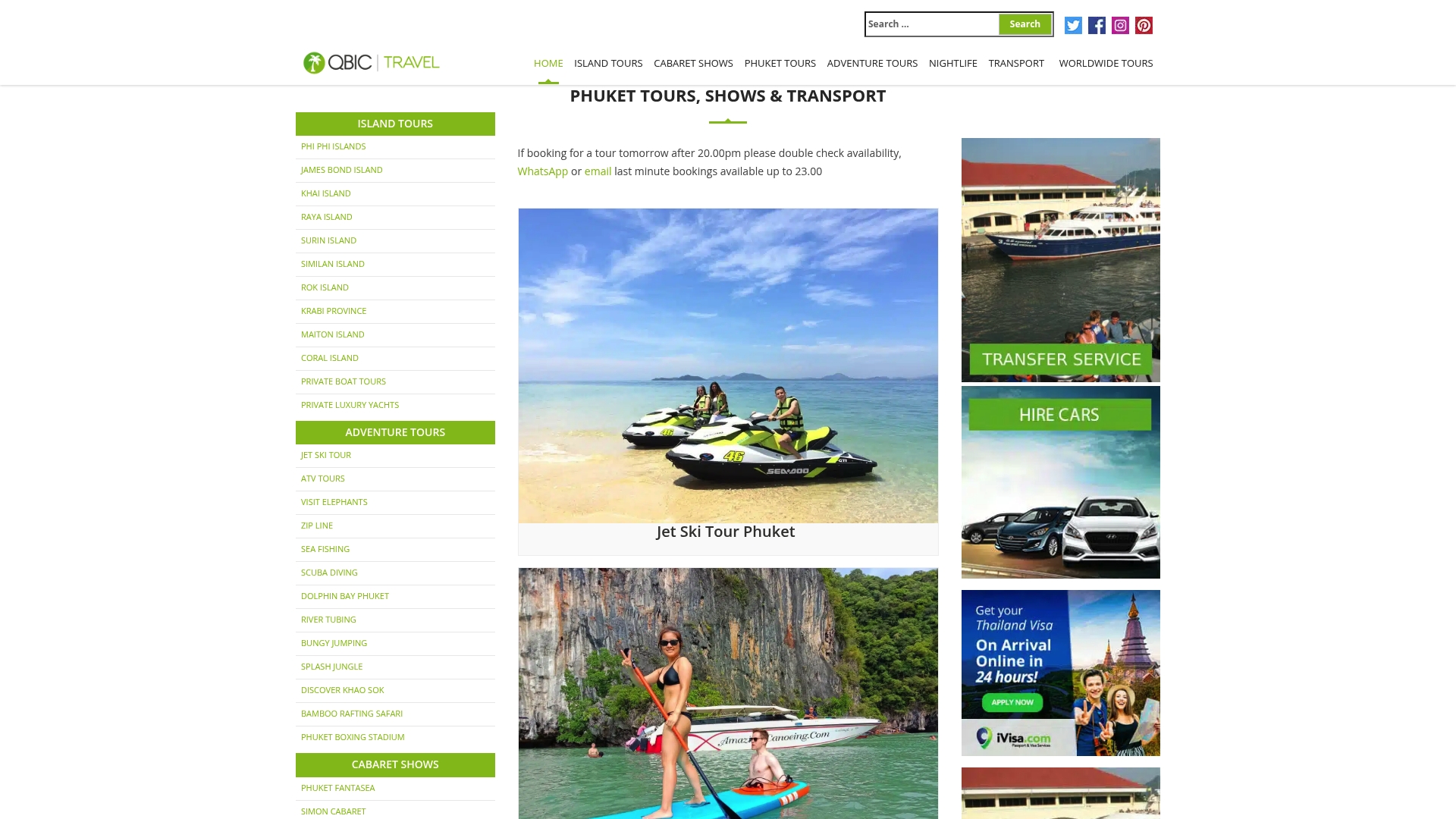
Qbictravel holds a 4.5 rating from 237 verified reviews and reports 99% issue-free services through Trustindex. The team plans each experience around your group’s interests and physical readiness, keeping group sizes manageable and local knowledge central. Browse the full range of Phuket adventure tours and find the experience that matches what you genuinely want to do.
FAQ
What is a niche travel experience?
A niche travel experience is a specialised trip built around a specific interest or passion, such as adventure sports, culinary arts, or cultural heritage, rather than a general destination. These trips typically feature specialist guides and small group sizes to enable deeper engagement.
How is niche travel different from standard tourism?
Standard tourism prioritises destinations and volume. Niche travel prioritises the traveller’s specific interest, using expert guides, tailored itineraries, and verified local knowledge to create a more meaningful experience.
How do I know if an operator is genuinely niche?
A genuine niche operator asks detailed questions before confirming your booking, keeps group sizes small, and provides specialist guides with real depth of knowledge in the activity or subject. Operators who skip the pre-trip conversation are typically running volume-based tours.
What physical preparation do niche adventures require?
Physical requirements vary widely. A four-hour jet ski tour or a full-day ATV expedition demands a reasonable fitness base, while a culinary or cultural immersion tour suits most fitness levels. Always check the operator’s stated requirements before booking.
Are niche travel experiences suitable for solo travellers?
Yes. Themed retreats and small-group adventure tours are particularly well suited to solo travellers because the shared interest creates an immediate social connection among participants.


