
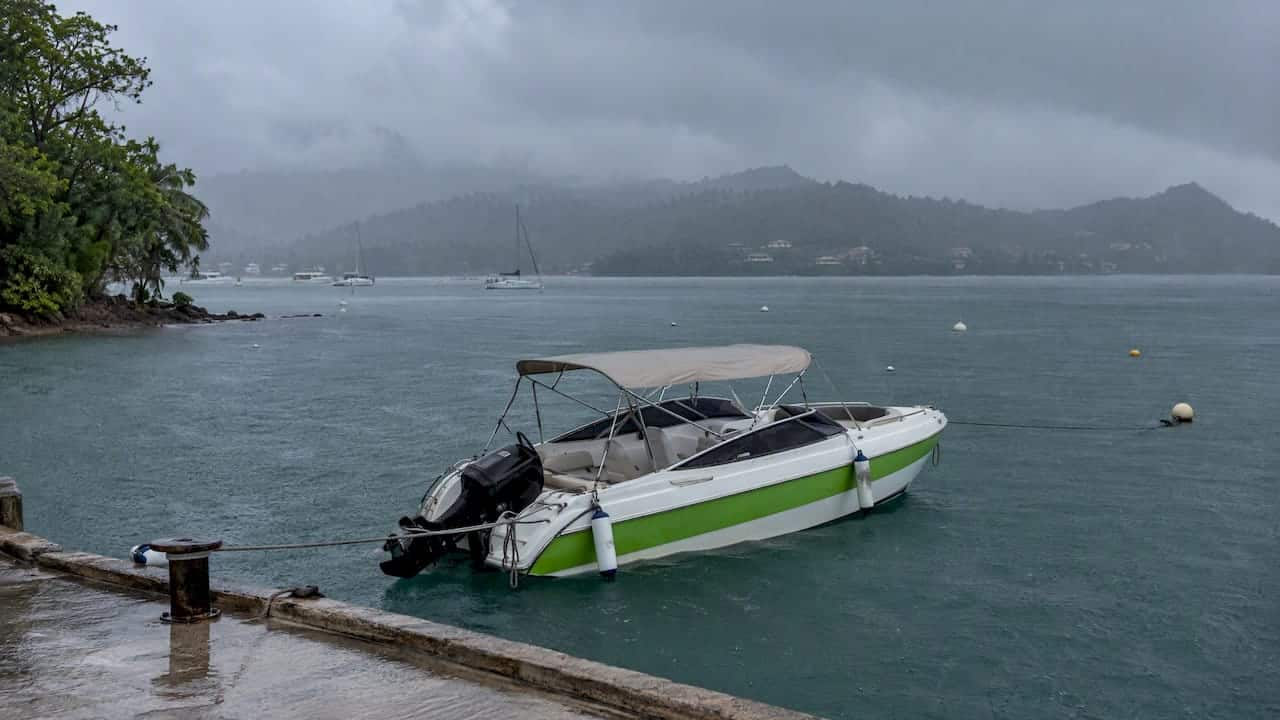
Boat Rain Plan for Phuket: What to Do When Weather Hits
Rain alone rarely cancels a boat trip in Phuket. Rough sea does. Your plan should cover both: know how to read the conditions, know who decides, and have a dry or sheltered alternative ready so a grounded boat does not mean a wasted day.
This guide is for anyone with a boat day booked, or about to book one, between May and October. It covers how rain actually behaves here, how cancellations are decided, what to do on the morning, and where to go if the boat stays in the harbour.
TL;DR
- Phuket’s rainy season runs from May to October, but rain usually comes in 1-2 hour bursts in the afternoon or evening, not all day.
- Trips are cancelled for wind and swell, not drizzle. The captain or the authorities decide on the morning itself.
- The second half of October is the sweet spot: the monsoon weakens and the islands start to reopen.
- Always have a plan B: Phuket Town museums, an aquarium, a flexible rebooking, or a morning-only ride on land.
- Book flexibly, check the forecast the evening before and again at breakfast, and message your operator early.
Table of Contents
- How rain really behaves in Phuket
- Wind and waves decide, not rain
- Why the second half of October is the smart window
- Your boat rain plan, step by step
- Learn the beach flags
- Plan B when the boat stays in port
- What we offer for flexible days
- Perspective: what we tell guests in the wet months
- Choosing a trip that handles weather well
- FAQ
- Sources
How rain really behaves in Phuket
The rainy season officially covers May to October and is driven by the southwest monsoon. October is the wettest month on paper: about 22 rainy days and roughly 336 mm of rainfall. That sounds grim until you look at how the rain falls.
The Tourism Authority of Thailand says the monsoon does not mean continuous rain all day long. Showers can be heavy, but they typically last one to two hours, mostly in the afternoon or evening. Temperatures stay warm all year, between 25 and 34°C, according to Phuket.Net.
What this means for you:
- Morning departures usually beat the rain. A 08:00 or 09:00 start often gets you several dry hours.
- A shower on a calm sea is just a shower. You get wet, dry off in the sun and carry on.
- Wet patches come in runs. One local guide notes that rain tends to arrive in a series of days rather than one-off drops, so if you have a flexible week, spread your bookings rather than stacking them.
Wind and waves decide, not rain
The real question on any monsoon morning is the state of the sea. Cancellations are safety decisions taken by captains or authorities, and they rest on wind speed and swell height more than on rainfall. Official navigation warnings can restrict small-boat travel when waves reach 2-3 metres, which happens fairly often in the monsoon.
Forecasts show how quickly that changes. In late May 2026, the Thai Meteorological Department expected waves of around two metres in the upper Andaman Sea, rising higher during thundershowers. In August, a rough-sea warning disrupted beach tourism at Patong, Karon and Kamala.
A simple rule of thumb for a boat day:
| Conditions | What it usually means |
|---|---|
| Light or passing rain, small waves | Trip normally runs. Bring a rain jacket and a dry bag. |
| Heavy rain with strong wind | Captain may delay, shorten the route or switch to a sheltered island. |
| Waves of 2 m or more, official warning | Trip is likely to be cancelled or rescheduled. Do not push for it. |
For a deeper look at the numbers, see our guide to Phuket weather for boat trips, which also lists five questions to ask before you book.
Why the second half of October is the smart window
If your dates are flexible, aim late in the month. Local experts point out that as the southwest monsoon weakens, conditions turn noticeably better, and national parks such as the Similan Islands typically reopen around 15 October. Seas are warmer and usually calmer, though still not guaranteed.
Calmest conditions come later. One Phuket boating guide puts the most reliable period at mid-October to mid-February, when the northeast monsoon brings drier weather. We have not tested that claim ourselves, so treat it as a general pattern and check the forecast for your actual dates.
For snorkellers, December to March is the clearest window. Our page on Phuket snorkelling conditions explains how to avoid cancellations in those months.
Your boat rain plan, step by step
- Book flexibly. Choose an operator that lets you move the date if the sea is unsafe. Ask what happens on a weather cancellation before you pay: reschedule, credit or refund.
- Pick the right trip for the season. Sheltered routes and half-day cruises give you more options than a long open-water crossing.
- Check the forecast the evening before. Use the Thai Meteorological Department marine forecast and your operator’s message.
- Check again at breakfast. The call is made on the morning, so expect a message or a call from your operator.
- Pack for a shower. Light rain jacket, dry bag for phone and passport, reef-safe sun cream (the UV index stays high even under cloud), and shoes that grip wet decks.
- Have your plan B saved. Screenshot the options below so you are not searching in the lobby.
- Wear the life jacket. Even in choppy water, keep it on and stay seated and secure, as Thai tourism guidance advises.
Learn the beach flags
Sea safety does not stop at the pier. On many Phuket beaches a flag system tells you the day’s risk: red means no swimming, yellow means caution, green means calm. TAT’s monsoon guidance is clear that red flags must not be ignored, because they signal dangerous conditions.
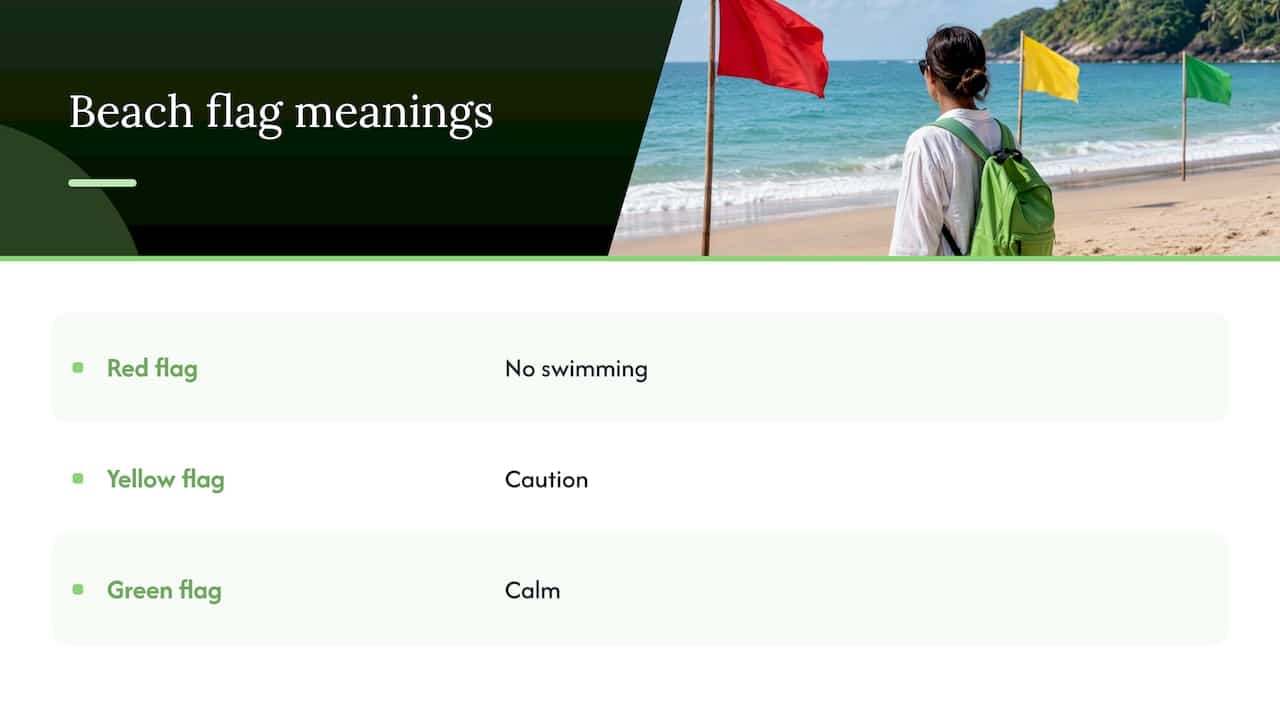
Flag colours and meanings differ between countries and even beaches, so read the local sign. If you want a general primer on how maritime flags work, this overview of maritime flag meanings is a handy starting point for first-time boaters.
Chinese consular guidance for travellers also warns that west-coast waters such as Phuket, Phang Nga Bay and Phi Phi are rough from May to October and that swimming and snorkelling accidents are more frequent then. The advice is simple: never enter the water at a red-flag beach, always wear a life jacket on water activities, and skip alcohol before swimming.
Plan B when the boat stays in port
A cancelled boat day is a good excuse to see the side of Phuket most beach visitors skip. Phuket Town is the obvious base, and it works in any weather.
Indoors, good for families
- Aquaria Phuket: adult tickets run roughly 700-950 THB, according to a recent family guide. Check current prices on the day.
- Trick Eye Museum: a playful, photo-led stop that suits wet afternoons with children.
- A shopping mall: dull on paper, brilliant when the kids need to burn energy.
Culture and food
- Thai Hua Museum: adult entry is around 200 THB and it tells the story of the town’s Chinese-Thai heritage.
- Sino-Portuguese mansions and shophouses: walk Old Town between showers. A guide to Old Phuket Town notes that from June to October you can still enjoy the city and shelter in a cafe or museum when it rains.
- Cafe hopping: long breakfast, short walk, repeat.
One tip from the same family guide: the UV index barely drops on cloudy days, so alternate outdoor mornings with indoor afternoons. See our own list of places of interest in Phuket for more ideas, and the Amazing Phuket city tours if you would rather have someone drive and guide.
Something active that is not on the water
If the sea is rough but the sky is clear, an ATV ride can fill the gap. Morning slots are the best bet in the wet months, and we explain why on our page about ATV riding in Phuket from May to October. For timing across the year, read our best time of day and year for ATV tours.
What we offer for flexible days
We run boat, island, jet ski and ATV days around Phuket, with hotel pick-up and last-minute booking, so you can switch from one to another when the weather changes. Our options include:
- Island tours in Phuket, covering favourites such as James Bond Island, Phi Phi, Raya/Racha and Coral Island.
- Private boat tours and charter boats with crew when you want to pick the day and pace yourselves.
- Jet ski and ATV adventures for dry-weather mornings.
- Speed boat and cruise services on our services page: the MV Phuket Champagne is 3,500-4,800 THB and the Full Day Trip at Singh Luxury Speed Boat is 27,000-46,000 THB, depending on the option.
Message us on WhatsApp the evening before if the forecast worries you, and we will talk through the options for your group.
Perspective: what we tell guests in the wet months
We do not try to talk anyone into a boat on a bad morning. The most useful thing we can do is tell you early. In our experience, the guests who enjoy monsoon-season trips most are the ones who treat the plan as a menu rather than a fixed order: boat if the sea allows, land adventure if it does not, culture and food if it is wet all round.
We pay attention to one detail above the rest, and that is the wind. A grey sky with a flat sea is often a lovely day to be out, with fewer crowds and softer light. A bright blue sky with a big swell is not. So ask about waves, not clouds.
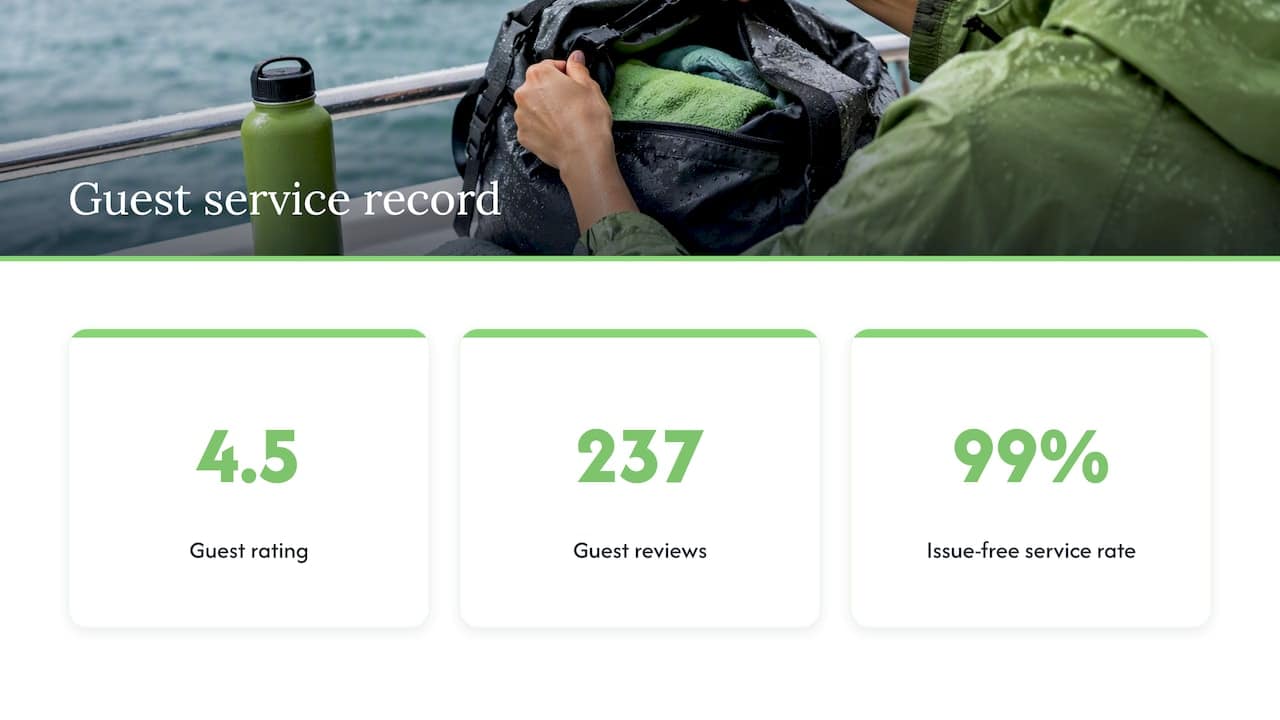
We also encourage families to keep days short and flexible. Smaller children tire quickly on choppy water, and a half-day cruise followed by a dry afternoon is far easier than a full day that goes wrong. Our guests currently rate us 4.5 from 237 reviews, and our site cites a 99% issue-free service rate verified by Trustindex. We take that seriously, and it comes from honest calls on days like these.
— Carl
Choosing a trip that handles weather well
Not every boat day carries the same weather risk. Use these criteria.
| Criterion | Lower risk | Higher risk |
|---|---|---|
| Route | Sheltered islands, short crossings | Long open-water legs, far-out parks |
| Duration | Half day | Full day or overnight |
| Departure | Morning | Late afternoon, sunset runs |
| Booking | Flexible date, easy to move | Fixed, non-moveable tickets |
| Group | Private, so you set the pace | Large group, set schedule |
Overnight cruising and fishing trips need the most weather margin, so keep a spare day in your itinerary. You can browse them on our tours page. If you simply want an easy morning on the water, the Coral Island half-day cruising route is a short-hop option to consider.
For the airport run on a stormy day, a fixed-price transfer saves stress: the Phuket Airport Taxi is from 800 THB and the Airport Minibus is from 1,200 THB, both on our services page.
FAQ
Do boat tours run in Phuket’s rainy season?
Yes, many do, because rain alone is rarely the problem. Trips are called off when wind and waves make the sea unsafe, and that decision is made on the morning itself. Expect more cancellations from May to October and fewer from late October onwards.
What happens if my boat trip is cancelled for weather?
It depends on the operator, so ask before you pay. Typical outcomes are a new date, a credit or a refund. If you book with us, message us on WhatsApp and we will go through the options for your dates.
Is it safe to swim or snorkel when it is raining?
Light rain on calm water is not a problem in itself, but the sea state is. Never swim where a red flag is flying, wear a life jacket on water activities, and follow your captain’s instructions. If you have a health condition or are an older traveller, ask your doctor before water activities in the monsoon.
What is the best time to book a Phuket boat trip?
Calmer seas generally arrive from the second half of October, and conditions are most reliable through the dry months. If you are travelling earlier, choose a half-day morning trip and leave a spare day.
Sources
- Important information on marine tourism in Thailand during the Southwest monsoon season, TAT Newsroom
- Phuket’s Climate & Seasons, Phuket.Net
- Phuket in October: The Islands Reopen, Phuket101
- May 27 weather forecast Thailand, Thaiger
- Phuket monsoon shake-up hits Patong, Karon and Kamala, Global Travel Wire
- Phuket with Kids: 8 Family Trips, LorenziGo
- My Guide to Old Phuket Town, Global Gallivanting
- Consular travel advice on water safety in Thailand, Chinese Ministry of Foreign Affairs
- Maritime flags for recreational boaters, Safe Boating America


