

How coastal adventure tours work: your 2026 guide
Coastal adventure tours are organised excursions along shorelines that combine activities like snorkelling, kayaking, coasteering, and jet skiing with natural exploration and local cultural encounters. Understanding how coastal adventure tours work helps you choose the right experience, pack correctly, and set realistic expectations before you arrive. Tours typically last between 2 and 5 hours depending on activity intensity, with shorter sessions suited to high-energy pursuits and longer ones built around sightseeing and reef exploration. The industry term for this category is “guided coastal ecotourism,” a format shaped by international conservation standards and marine protection guidelines. Qbictravel operates within this framework in Phuket, blending thrilling activities with responsible, locally grounded experiences.
How coastal adventure tours work: activities and what to expect
Coastal adventure tours pack a wide range of activities into a single outing. The most popular options include coasteering, jet skiing, snorkelling, kayaking, and paddleboarding. Each one demands a different fitness level and delivers a different kind of thrill.
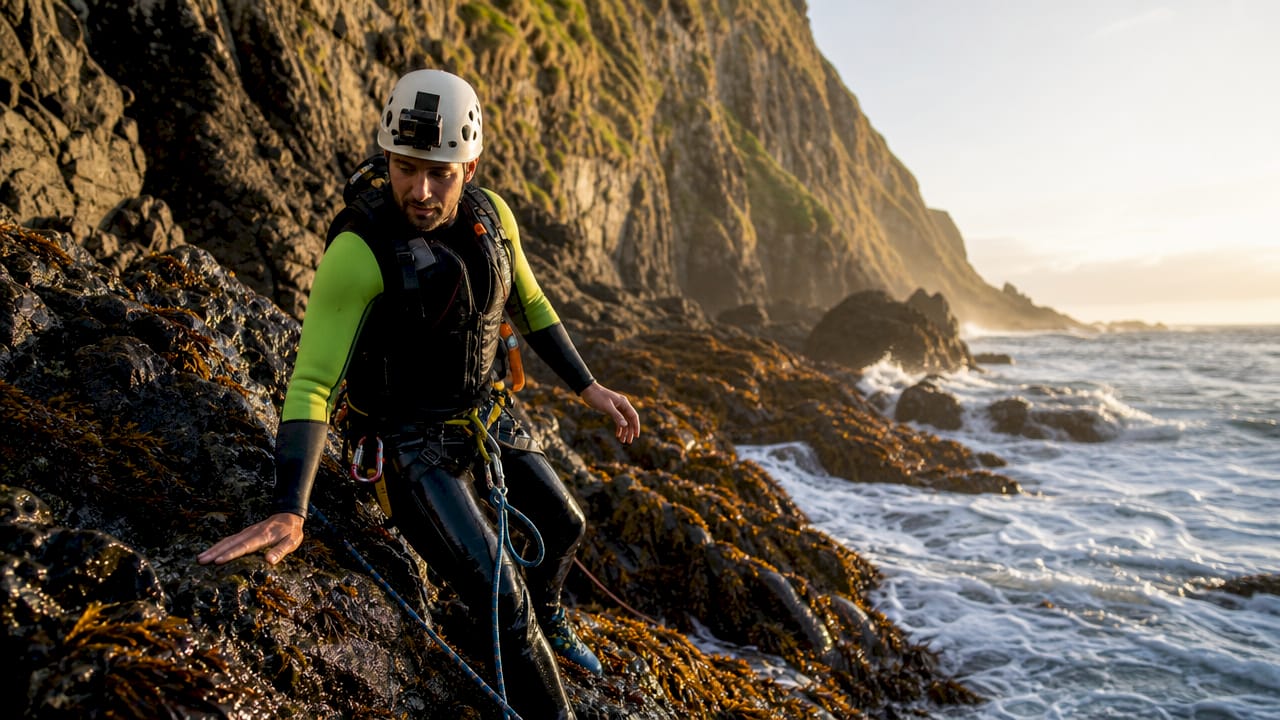
Coasteering is the practice of traversing a rocky coastline by swimming, scrambling, and cliff jumping. Typical sessions last 2.5–3 hours and cover 1–2km of coastline. Operators provide wetsuits, buoyancy aids, and helmets, and the pace is deliberately relaxed so that participants of most fitness levels can join in.
Jet skiing is the go-to choice for thrill-seekers who want speed and open water. Sessions are shorter and more physically demanding on the core and arms. Guides brief you on throttle control, turning technique, and safe distances before you set off.
Snorkelling and kayaking sit at the calmer end of the spectrum. Snorkelling tours include guided interpretation of reef wildlife, which adds genuine educational value to the experience. Kayaking lets you reach sea caves and hidden coves that larger boats cannot access.
- Coasteering: full safety kit provided; suits beginners with a sense of adventure
- Jet skiing: high energy; requires brief instruction; best for confident swimmers
- Snorkelling: low impact; guided reef commentary adds cultural and ecological depth
- Kayaking: accessible; ideal for exploring sheltered bays and limestone formations
- Paddleboarding: great for balance and core strength; suits calm-water conditions
Pro Tip: Ask your operator whether the guide offers live wildlife commentary during snorkelling. Tours that include reef interpretation give you far more value than a simple swim.
Qualified guides play a central role in every activity. They read swell conditions, adjust difficulty to suit the group, and provide real-time instruction. A good guide turns a standard excursion into a genuinely memorable experience.
How are tour schedules and logistics organised?
Coastal tour logistics are more fluid than most travellers expect. Schedules adapt to weather, tides, and group size rather than running on a fixed timetable. That flexibility is a feature, not a flaw. It keeps you safe and ensures the conditions are right when you head out.
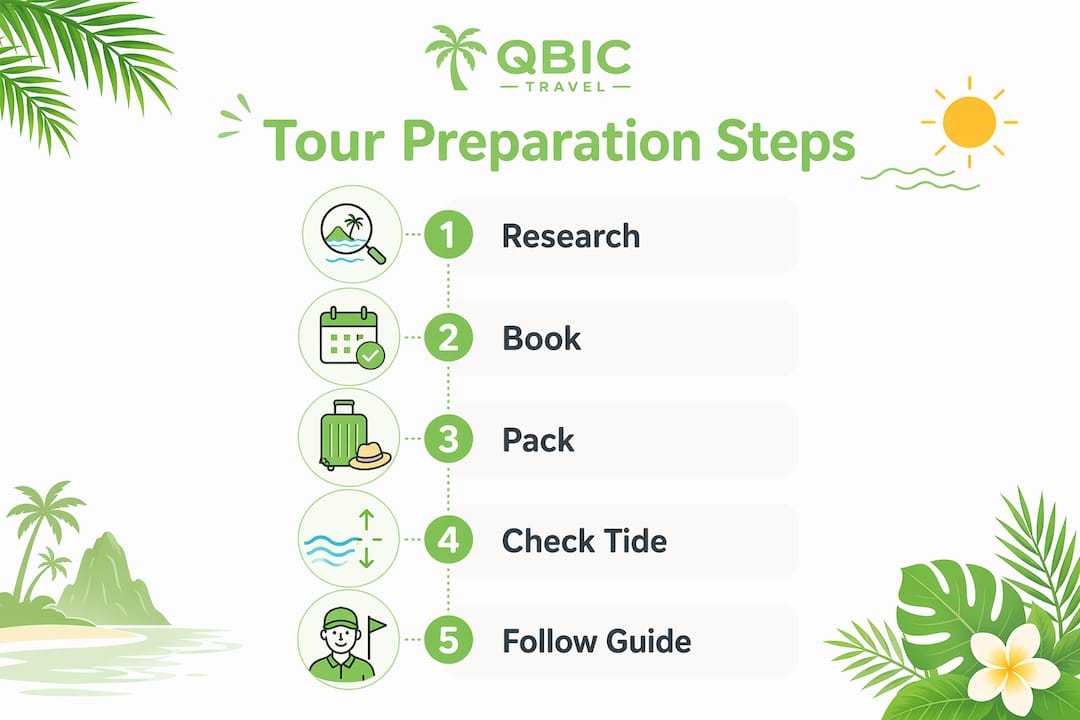
Here is how the typical booking and departure process works:
- Book in advance. Most operators require a deposit to secure your place, particularly for group tours. A 50% deposit is standard for group bookings, with the balance paid on the day.
- Check cancellation terms. Free cancellation is commonly accepted up to 24 hours before the tour start time. Cancellations inside that window may forfeit the deposit.
- Confirm your pick-up point. Many operators include hotel pick-up and drop-off in the price. Confirm this when booking, as some tours require you to meet at a harbour or beach location.
- Build in buffer time. Boat departures can shift by 30–60 minutes due to tides or weather. Avoid scheduling flights or fixed commitments immediately after a coastal tour.
- Stay in contact with your operator. Check for updates on the morning of your tour. Conditions can change overnight, and a quick message to your guide saves confusion at the dock.
Qbictravel’s speed boat tours in Phuket follow this same adaptive approach, with experienced local guides managing timing decisions on the water. You can review full booking terms on the Qbictravel terms page before you commit.
Pro Tip: Check tide times the evening before your tour using a local tide app. Knowing the tide window helps you understand why your guide may adjust the departure time.
Environmental responsibility and safety on coastal tours
Sustainable practice is not optional on a quality coastal adventure tour. It is built into how reputable operators run every session.
The most immediate environmental action you can take is choosing the right sunscreen. Sunscreens containing oxybenzone cause coral bleaching. Mineral-based alternatives using zinc oxide or titanium dioxide protect your skin without harming the reef. Pack one before you leave home.
“Travellers are encouraged to choose eco-certified operators and use reef-safe products to protect local environments. Sustainability is not an add-on. It is the foundation of responsible coastal tourism.”
Your guide’s role extends well beyond navigation. Guides provide instruction on reading swells and currents, adapt activity difficulty to the group’s fitness level, and make real-time calls on whether conditions are safe. Listen to them. Their local knowledge is the most valuable safety tool on the water.
Key safety and environmental practices to follow:
- Use mineral-based, reef-safe sunscreen on every outing
- Wear quick-dry synthetic clothing rather than cotton, which stays wet and heavy
- Never touch or stand on coral formations during snorkelling
- Follow your guide’s instructions on wildlife distances, particularly around sea turtles and rays
- Store electronics in a dry bag to protect them from salt spray
Tide awareness is a genuine safety issue, not just a scheduling inconvenience. Getting trapped in a cove by a rising tide is a real risk on remote coastlines. Check tide schedules before every outing and always tell someone your planned route. The Qbictravel scuba diving page covers operator certifications and sustainability commitments in more detail.
How to prepare and book your coastal adventure tour
Good preparation makes the difference between a smooth, epic day and a frustrating one. The table below covers the essentials across four key areas.
| Preparation area | What to do | Why it matters |
|---|---|---|
| Sunscreen | Use zinc oxide or titanium dioxide mineral sunscreen | Protects reefs; avoids oxybenzone bleaching |
| Clothing | Pack quick-dry synthetic fabrics; avoid cotton | Cotton stays wet and cold; synthetics dry fast |
| Electronics | Use a dry bag; carry silica gel packets | Salt air damages circuits and lenses rapidly |
| Booking | Pay deposit early; confirm cancellation window | Secures your place; avoids penalty charges |
| Weather monitoring | Check tides and wind the night before and morning of | Coastal conditions change rapidly and without warning |
A one-time weather check is not enough. Coastal conditions shift quickly, and what looks calm at 7AM can change significantly by 10AM. Use a reliable local weather app and cross-reference it with advice from your operator on the morning of the tour.
Physical fitness requirements vary by activity. Coasteering and jet skiing demand more stamina than kayaking or snorkelling. If you have any concerns about your fitness level, speak to the operator when booking. Reputable guides adapt the programme to suit the group, and family-friendly options are widely available for mixed-ability groups.
Pro Tip: Cornstarch-based baby powder removes stubborn beach sand from skin far more effectively than water alone. Toss a small bottle into your day bag for post-tour comfort.
Key takeaways
Coastal adventure tours work best when you understand the logistics, respect the environment, and choose a qualified operator with local expertise.
| Point | Details |
|---|---|
| Tour durations vary | Most tours run 2–5 hours; match the length to your activity and energy level. |
| Schedules are flexible | Weather, tides, and group size all shift departure times; build in buffer time. |
| Guides are central to safety | Qualified guides read conditions, adapt difficulty, and provide real-time instruction. |
| Reef-safe sunscreen is non-negotiable | Oxybenzone-based sunscreens bleach coral; use mineral alternatives on every outing. |
| Book early and know your cancellation terms | A 50% deposit is standard for group tours; free cancellation typically requires 24 hours’ notice. |
What I’ve learnt from years on the water
The single biggest mistake I see travellers make is over-scheduling. They book a coastal tour, a cultural excursion, and a restaurant reservation all in the same afternoon. Coastal tours do not run like airport transfers. Tides shift, a pod of dolphins appears, or the guide spots a whale shark and extends the snorkelling stop by 45 minutes. These are the moments you came for. Give them room to happen.
The second mistake is underestimating the value of a good guide. I have been on tours where the guide was essentially a chaperone, and I have been on tours where the guide transformed a swim into a genuine wildlife education. The difference is enormous. When you are choosing a tour guide, ask specifically whether they provide live commentary and whether they hold any marine conservation certification. That question alone tells you a great deal about the quality of the operation.
Eco-certification matters more than most travellers realise. Operators who hold recognised marine conservation credentials actively train their guides to minimise reef disturbance, manage group sizes, and report wildlife sightings to local conservation bodies. Choosing a certified operator is not just an ethical decision. It is a practical one, because certified operators tend to run better, safer, more interesting tours.
My honest advice: pack light, arrive flexible, and let the guide lead. The best coastal adventure experiences I have had were the ones where I stopped trying to control the itinerary and trusted the person who knows the water.
— Carl
Phuket coastal adventures with Qbictravel
Qbictravel brings together the best of coastal adventure touring in Phuket, with expert local guides, flexible booking, and a 4.5-star rating backed by 237 verified reviews. Whether you want the adrenaline of a jet ski tour in Phuket or the thrill of an ATV ride with sea views, every experience is planned with your safety and enjoyment at the centre.
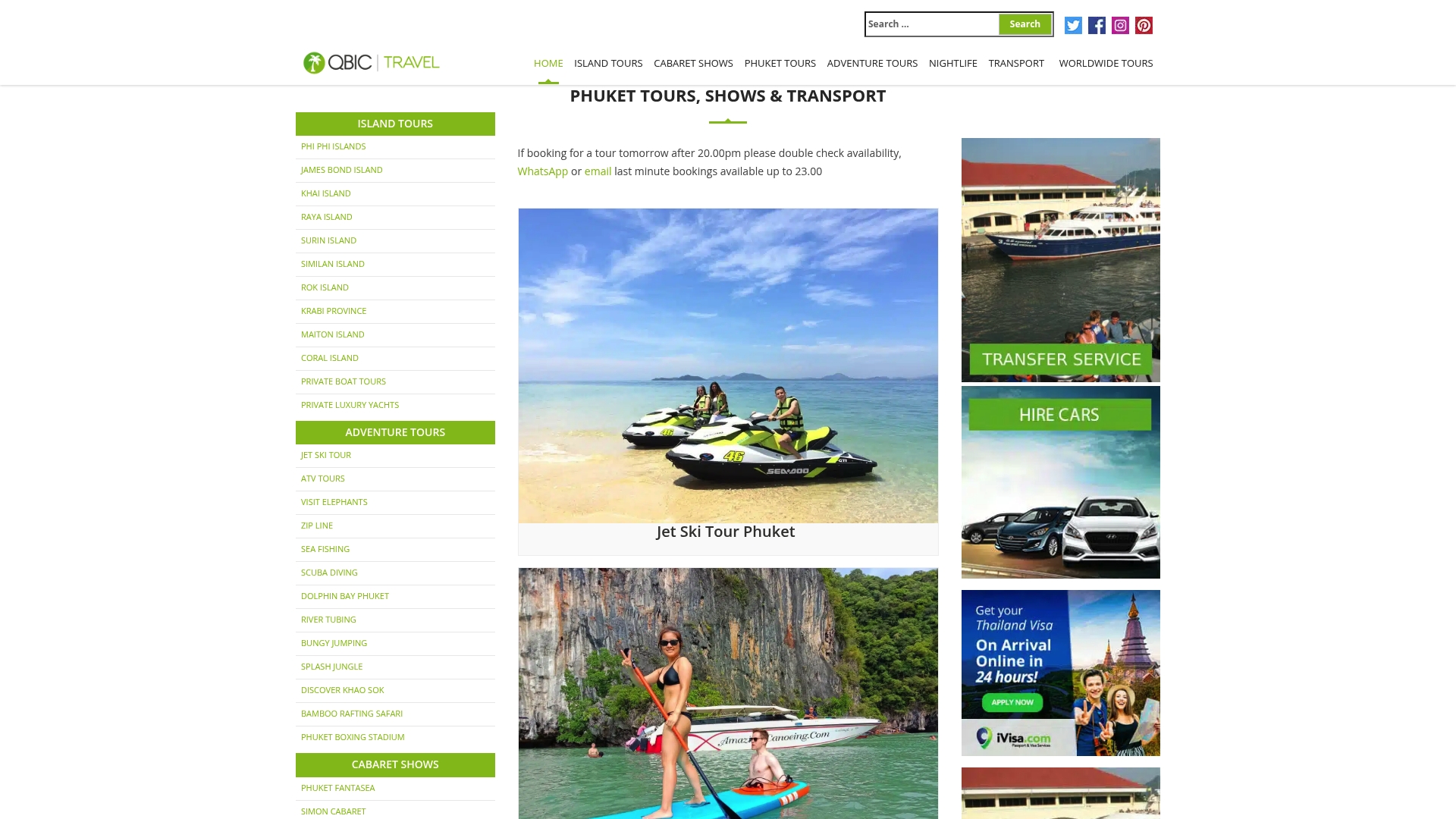
Qbictravel’s 99% issue-free service record, verified by Trustindex, reflects the care that goes into every itinerary. The team handles pick-up logistics, safety briefings, and equipment provision so you can focus entirely on the experience. Browse the full range of Phuket adventure tours and book online with straightforward cancellation terms.
FAQ
How long do coastal adventure tours usually last?
Most coastal adventure tours run between 2 and 5 hours. High-energy activities like coasteering or jet skiing tend to run 2–3 hours, while boat-based sightseeing and snorkelling tours often extend to 4–5 hours.
What activities are included on a typical coastal adventure tour?
Common coastal tour activities include snorkelling, kayaking, coasteering, jet skiing, and paddleboarding. Most operators provide all safety equipment, including wetsuits, helmets, and buoyancy aids.
Can I cancel a coastal adventure tour if the weather changes?
Most reputable operators allow free cancellation up to 24 hours before the tour start time. Cancellations made inside that window may result in a partial or full loss of your deposit, so always check the terms when booking.
Do I need to be a strong swimmer to join a coastal adventure tour?
Fitness requirements vary by activity. Snorkelling and kayaking suit most ability levels, while coasteering and jet skiing require more confidence in open water. Speak to your operator when booking if you have any concerns.
What should I pack for a coastal adventure tour?
Pack mineral-based reef-safe sunscreen, quick-dry synthetic clothing, a dry bag for electronics, and a basic first aid kit. Avoid cotton clothing, as it retains water and becomes uncomfortable quickly in coastal conditions.


