

Family-friendly adventure tourism: what families need to know
Family-friendly adventure tourism is a form of travel that combines accessible outdoor activities, cultural discovery, and educational experiences tailored for children aged 8–17, ensuring the whole family stays engaged and safe. The industry term you will encounter is “soft adventure travel,” which describes this balance of comfort and outdoor challenge. Unlike standard package holidays, this style of travel prioritises learning, local connection, and age-appropriate thrills over passive sightseeing. Destinations like Phuket, Thailand offer a compelling mix of jungle trails, coastal activities, and rich cultural heritage that make them ideal for responsible family adventure travel. This guide covers what defines the experience, how it supports local economies, and how to plan it well.
What is family-friendly adventure tourism?
Family-friendly adventure tourism is defined as age-appropriate outdoor activities combined with cultural immersion, calibrated specifically for children aged 8–17 to match their skill levels and developmental needs. That age range matters because activities, risk levels, and group pacing are all designed around it. A seven-year-old and a seventeen-year-old have very different stamina and attention spans, so well-designed programmes account for both.
The activities that typically define this style of travel include:
- Hiking and nature trails through forests, national parks, or coastal paths
- Canoeing and kayaking on calm rivers or sheltered bays
- Ropes courses and zip lines at managed outdoor centres
- Cycling tours through villages or along scenic routes
- Cultural excursions to temples, local markets, and traditional craft workshops
Soft adventure travel blends comfortable accommodation with engaging outdoor activities, making it accessible for multi-generational families where grandparents and young children travel together. The focus is on discovery, not survival. Nobody needs to be an athlete to enjoy it.
Cultural experiences carry as much weight as the physical activities. Educational components that introduce children to guest-host relationships and local customs move family travel beyond ticking off attractions. Children who understand why a temple is sacred, or how a fishing community works, leave with something far more lasting than a photograph.
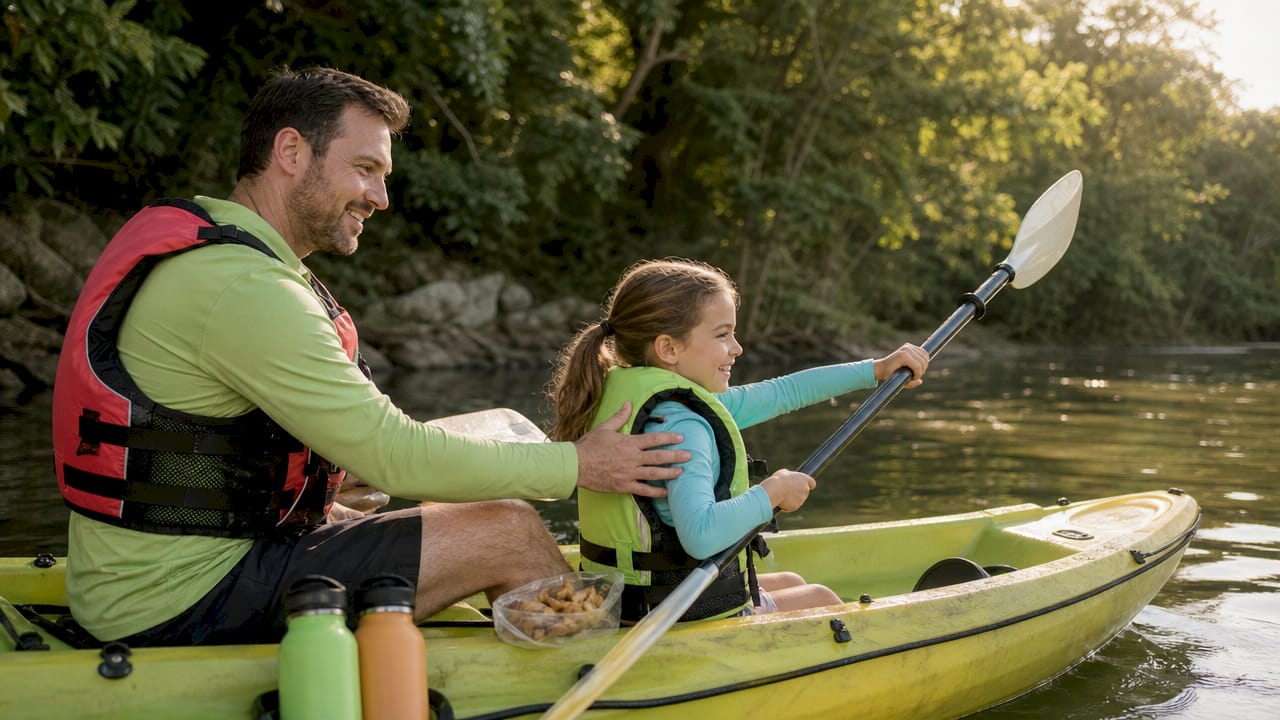
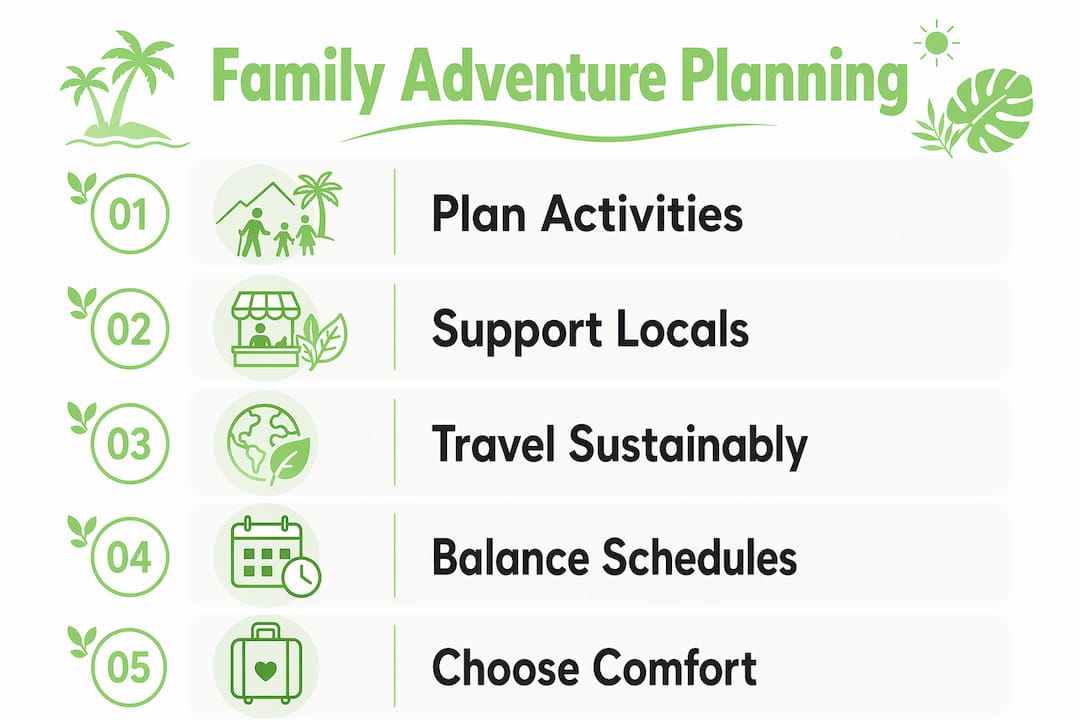
Pro Tip: Balance one major activity per day. Packing the schedule with back-to-back adventures leads to tired, grumpy children and stressed parents. One epic experience followed by free time is the formula that works.
How does family adventure travel support local economies?
Family adventure tourism puts money directly into local hands. The median cost of an eight-day family adventure trip is approximately $3,000, with 76% spent locally, supporting guides, accommodation providers, and food vendors. That figure shows how much economic weight a single travelling family carries.
Choosing local over international chains amplifies that impact further. A family that books a community-run guesthouse, hires a local guide, and eats at a family-owned restaurant circulates money through several layers of the local economy at once.
| Spending category | Local economic benefit |
|---|---|
| Local guides and instructors | Direct income for skilled community members |
| Family-run accommodation | Supports household livelihoods and local supply chains |
| Local food and markets | Sustains small producers and street vendors |
| Cultural workshops and crafts | Preserves traditional skills and generates artisan income |
| Community-based tour operators | Funds conservation and local infrastructure |
Cultural traditions also benefit. When families participate in cooking classes, craft workshops, or guided heritage walks, they create demand for skills that might otherwise disappear. Employment in tourism gives younger generations a reason to stay in their communities and keep those traditions alive.
Pro Tip: Choose family-run and community-based experiences wherever possible. A locally owned ATV tour or a Phuket city tour run by local guides delivers far more cultural depth than a large resort-operated excursion.
What sustainable practices should families adopt for adventure trips?
Responsible family adventure travel does not require perfection. Experts recommend a progressive approach to sustainable travel: small, manageable changes made consistently over time. That framing removes the pressure of doing everything right at once.
Here are practical steps families can take:
- Reduce single-use plastics. Bring reusable water bottles, bags, and containers. Many adventure destinations, including Phuket, have refill stations and markets where reusables are the norm.
- Book direct flights where possible. Connecting flights produce significantly more carbon than direct routes. When a direct option exists, take it.
- Support local accommodation. Boutique guesthouses and eco-lodges keep spending in the community and often have lower environmental footprints than large resort chains.
- Travel outside peak seasons. Visiting in shoulder months reduces pressure on ecosystems, lowers prices, and gives families a quieter, more authentic experience.
- Choose environmentally respectful activities. Avoid experiences that exploit wildlife. Opt for ethical wildlife encounters, such as elephant family programmes that prioritise animal welfare.
- Teach children active stewardship. Regenerative family travel goes beyond minimising harm. It teaches children to actively restore ecosystems and respect Indigenous voices. That shift from “do less damage” to “leave it better” is the defining trend in responsible family adventure travel right now.
The educational value of these habits compounds over time. Children who grow up travelling responsibly carry those values into adulthood. The family holiday becomes a classroom without walls.
How can families plan adventure travel for all ages and fitness levels?
Planning family adventure travel well means accounting for the widest gap in your group. If your party includes a ten-year-old and a sixty-five-year-old, your planning starts with the ten-year-old’s stamina and the sixty-five-year-old’s comfort. Everything else fits around that.
Key planning principles include:
- Choose small-group or private tours. Private and small-group tours of 8–18 people provide the flexibility that families with varying ages and fitness levels need. Large groups sacrifice the adaptability that makes family adventure travel work.
- Prioritise soft adventure activities. Zip lines, ATV tours in Phuket, river tubing, and guided nature walks all deliver genuine excitement without requiring peak physical fitness.
- Schedule one major activity per day. Limiting to one big activity daily reduces fatigue and preserves the family dynamic. Downtime is not wasted time. It is recovery that makes the next day’s adventure enjoyable.
- Consider developmental stages. A twelve-year-old wants challenge and some independence. An eight-year-old wants novelty and reassurance. Build your itinerary to serve both.
- Book flexible itineraries. Weather, energy levels, and unexpected discoveries all shift plans. A tour operator that allows rescheduling without penalty is worth far more than a marginally cheaper rigid package.
Pro Tip: When planning a family trip, build in at least one completely unscheduled afternoon per three days. Some of the best family travel memories come from wandering without a plan.
Accommodation choice shapes the whole experience. Eco-lodges and smaller boutique properties typically offer more flexibility than large resorts. They can adjust meal times, arrange private guides, and accommodate dietary needs without the bureaucracy of a 500-room hotel.
Key takeaways
Family-friendly adventure tourism works best when soft adventure activities, local economic support, and sustainable habits are combined into a flexible, age-aware itinerary.
| Point | Details |
|---|---|
| Define the experience correctly | Soft adventure travel combines comfort, outdoor activity, and cultural immersion for ages 8–17. |
| Support local economies | 76% of family adventure trip spending stays local, so choose community-run guides and accommodation. |
| Adopt sustainable habits progressively | Small changes like reusable bottles, direct flights, and off-peak travel add up significantly over time. |
| Plan around your widest age gap | Base your activity choices on the youngest or least fit member to keep the whole group happy. |
| Limit to one major activity daily | One big experience per day prevents fatigue and keeps family dynamics positive throughout the trip. |
Why regenerative travel is the future of family adventures
Family adventure travel is shifting in a direction most mainstream travel guides have not caught up with yet. The conversation has moved from sustainability, which is about doing less harm, to regenerative travel, which is about actively improving the places you visit. That distinction matters enormously for families.
The biggest misconception I encounter is that adventure travel demands high fitness levels. It does not. Soft adventure is specifically designed so that the focus stays on cultural immersion and discovery, not physical survival. A family that has never camped can still have a genuinely thrilling experience on a guided ATV trail or a zip line through a jungle canopy.
What I have found is that families who prioritise cultural depth over activity volume come home with stronger bonds and richer memories. Spending an afternoon learning about Thai temple customs or watching a local fisherman work his nets does more for a child’s worldview than three hours on a speedboat. The guest-host relationship that responsible tourism education introduces is one of the most underrated tools in family travel.
My honest recommendation is to resist the urge to fill every hour. The families who enjoy adventure travel most are the ones who build in breathing room, choose local over convenient, and let children lead occasionally. That is where the real magic happens.
— Carl
Qbictravel’s family adventure experiences in Phuket
Phuket is one of the best family adventure destinations in Southeast Asia, and Qbictravel has built its reputation around making those experiences genuinely accessible for families of all ages.
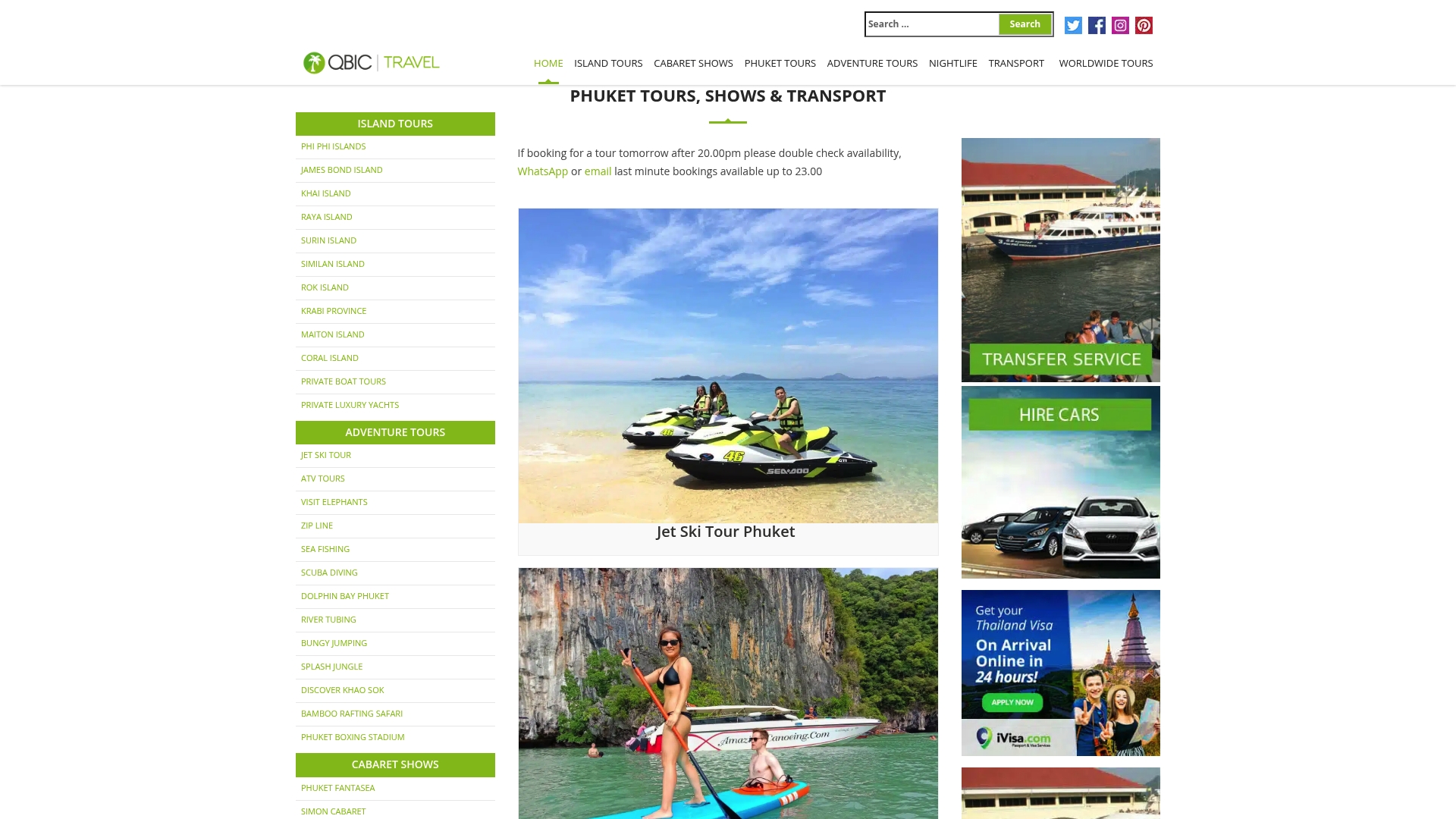
Qbictravel offers a full range of family-friendly adventures in Phuket, from jet ski tours along stunning coastlines to ATV rides through lush jungle trails, zipline experiences, and immersive cultural city tours. Every tour is designed with safety, flexibility, and multi-generational groups in mind. Qbictravel holds a 4.5 rating from 237 reviews and reports 99% issue-free services, verified by Trustindex. Browse the full tour selection and book online for the best available prices.
FAQ
What is the age range for family-friendly adventure tourism?
Family-friendly adventure tourism is typically designed for children aged 8–17, with activities calibrated to match their skill levels and developmental needs. Programmes within this range balance challenge, safety, and engagement for the whole group.
What does “soft adventure” mean in family travel?
Soft adventure combines comfortable accommodation with accessible outdoor activities like hiking, kayaking, and zip lining. It is designed for families with varying fitness levels, so no specialist skills or peak physical condition are required.
How much does a family adventure trip typically cost?
The median cost of an eight-day family adventure trip is approximately $3,000, with costs varying by destination and duration. A significant portion of that spending goes directly into local economies when families choose community-run operators and accommodation.
What is responsible family adventure travel?
Responsible family adventure travel means choosing activities and operators that respect local cultures, support community livelihoods, and minimise environmental impact. It includes practical habits like reducing single-use plastics, travelling off-peak, and selecting ethical wildlife experiences.
Is Phuket suitable for family adventure travel?
Phuket offers a wide range of family-friendly tours and soft adventure activities, from coastal jet ski tours to jungle ATV trails and cultural excursions. Its mix of natural scenery, accessible infrastructure, and experienced local operators makes it one of the strongest family adventure destinations in Asia.


