

How to access island temples by sea route
Accessing island temples by sea route is the most direct way to reach sacred sites that have no road connections and exist entirely within a maritime setting. Across Asia and beyond, temples on islands like Putuoshan in China, Umananda in India, and Philae in Egypt are only reachable by boat, ferry, or tidal causeway. The sea crossing is not just transport. It is part of the experience itself, shaping your mood and preparing you for what lies ahead. Whether you are travelling with family or chasing an adventure, understanding your options makes all the difference.
What are the common sea route options to access island temples?
Island temple access by sea falls into four broad categories, each with its own pace, cost, and character.
- Scheduled ferries: These are the most straightforward option. Putuoshan Island, home to one of China’s most revered Buddhist pilgrimage sites, requires ferry access taking 15–20 minutes from Zhujiajian Wugongzhi Pier, with no road connections whatsoever. Ferries depart frequently throughout the day, making this a reliable choice for families and first-time visitors.
- River boats and local ferries: Umananda Temple in Guwahati, India, sits on a small river island in the Brahmaputra. The boat ride from Kachari Ghat takes roughly 10–20 minutes, and entry to the temple is free. Local ferries here are basic but perfectly safe.
- Tidal causeways: Some temples are reached on foot across a submerged path that only appears at low tide. Hon Ba Temple in Vung Tau, Vietnam, sits at the end of a 200m tidal causeway that surfaces only during low tide. The surface is rough and slippery with algae, so this is not a casual stroll.
- Motorboats and traditional vessels: Philae Temple in Egypt is reached solely by motorboat or felucca from Aswan. Round-trip boat journeys take 30–45 minutes. Independent boat hire from local docks costs considerably less than an organised tour.
Organised tours handle logistics for you but limit flexibility. Independent boat hire gives you control over timing and pace, which matters when tides or ferry schedules are involved.
Pro Tip: If you are travelling with young children or elderly family members, a scheduled ferry is always the safest and most comfortable choice. Save independent boat hire for when your group is confident and mobile.
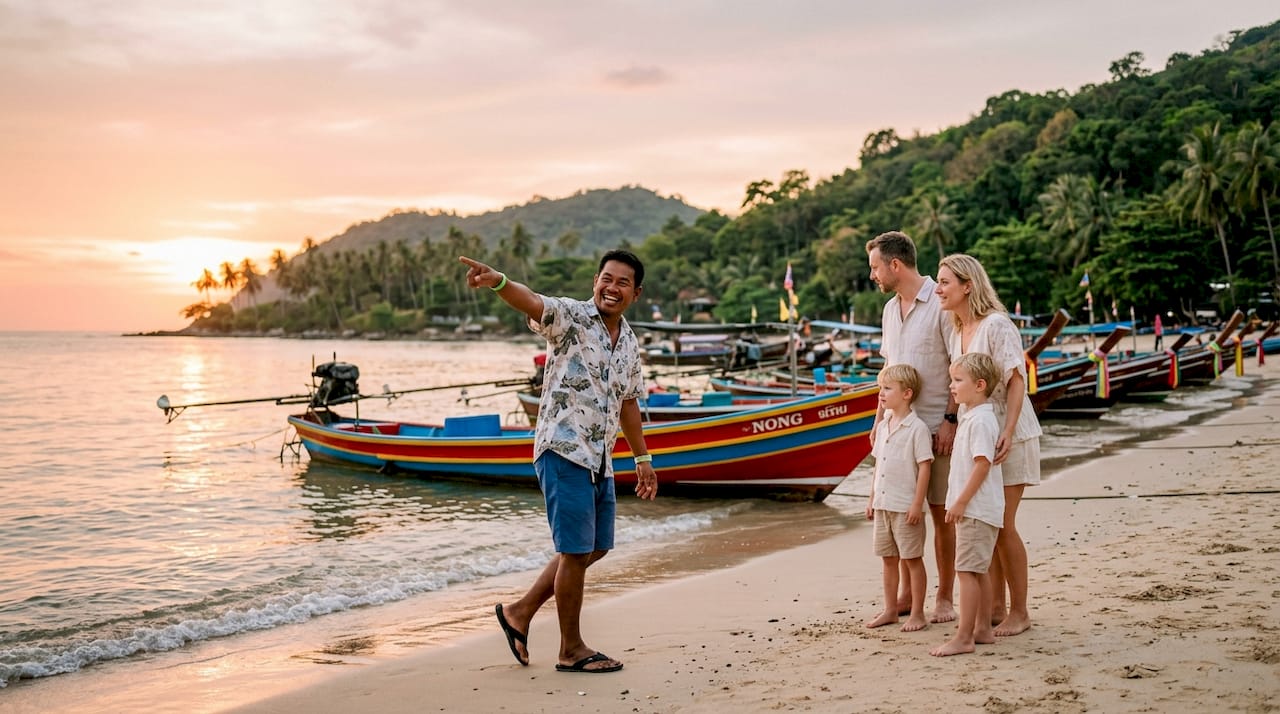
How to plan your visit to island temples accessed by sea routes
Good planning separates a memorable visit from a stressful one. Follow these steps before you set off.
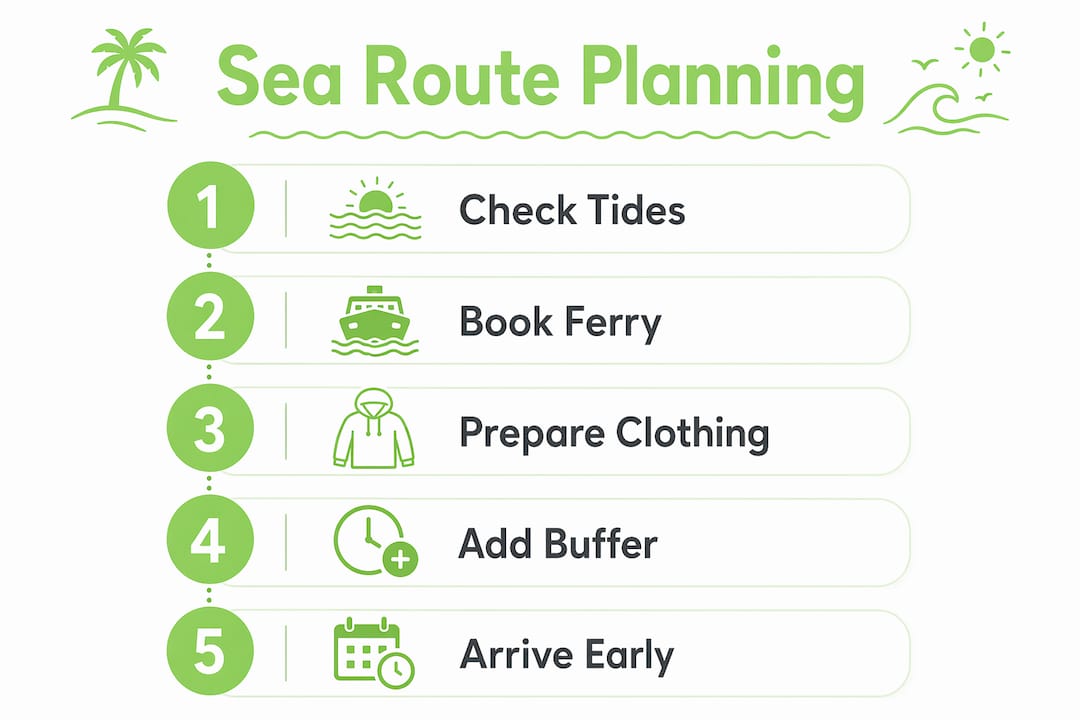
- Check ferry and tidal schedules on the day. Schedules change daily due to weather, tides, and seasonal demand. Missing the last ferry or high tide often means being stranded or paying significantly more for a private charter. Check locally, not just online.
- Choose the right footwear. For tidal crossings like Hon Ba, sturdy shoes with strong grip are non-negotiable. Volcanic rock, algae, and sea urchins make the surface hazardous. Standard flip-flops will not protect you.
- Dress appropriately for the temple. Most island temples require covered shoulders and knees. Carry a light scarf or sarong in your bag. Lightweight, breathable fabrics work best in the heat.
- Book tickets or negotiate boat hire in advance. For popular sites like Putuoshan, buying ferry tickets online avoids long queues. For independent hire, negotiating directly with boatmen at the dock saves money and often gives you more flexible departure times.
- Follow cultural etiquette. Remove footwear before entering temple buildings. Speak quietly, avoid pointing at religious statues, and ask permission before photographing worshippers.
- Take local safety advice seriously. Local boatmen and temple staff know the conditions better than any guidebook. If they advise against crossing, listen to them.
“Timing is a vital factor for tidal islands. Visitors often underestimate the danger of tides, so local knowledge and tide charts are indispensable.” — Vietnam Wayfarer
Pro Tip: Build at least 90 minutes of buffer time into your schedule. Tides and ferry queues rarely run to plan, and rushing a temple visit defeats the purpose entirely.
Notable island temples you can reach by sea
The table below compares five well-known island temples, their locations, and the sea routes used to access them.
| Temple | Location | Access method | Journey time |
|---|---|---|---|
| Putuoshan temples | Zhoushan, China | Scheduled ferry | 15–20 minutes |
| Umananda Temple | Guwahati, India | River boat from Kachari Ghat | 10–20 minutes |
| Hon Ba Temple | Vung Tau, Vietnam | Tidal causeway on foot | 5–10 minutes walk |
| Philae Temple | Aswan, Egypt | Motorboat or felucca | 15–20 minutes each way |
| Bet Dwarka Temple | Gujarat, India | Boat from Okha Port | 20–30 minutes |
Each site offers a genuinely different experience. Putuoshan is a full pilgrimage island with multiple temples, gardens, and accommodation. Umananda is compact and intimate, sitting on one of the world’s smallest river islands. Philae is an ancient Egyptian temple complex relocated to Agilkia Island after the construction of the Aswan High Dam. Bet Dwarka, considered one of Hinduism’s most sacred sites, draws pilgrims year-round by boat from Okha Port in Gujarat.
The variety here is the point. Sea route temple access is not limited to one culture or one continent. It is a global pattern, and each crossing carries its own atmosphere and meaning.
What makes sea-route temple visits spiritually different?
Travelling to a temple by water changes the experience in ways that land access simply cannot replicate. Water journeys act as a symbolic cleansing barrier, separating the everyday world from the sacred space ahead. Many pilgrimage traditions across Asia and beyond treat the crossing itself as part of the devotional act.
The sensory environment of a sea crossing adds to this effect. Wind, salt air, the sound of water, and the gradual appearance of the temple on the horizon all create a mood that a car park and a footpath cannot. Sea-route temple visits encourage a slower, more reflective pace, shaped by natural elements such as wind, light, and sound. That pace matters. It gives you time to shift mentally before you arrive.
For families, this transition is especially valuable. Children respond to the novelty of a boat ride. The crossing becomes part of the story they tell when they get home, not just a means to an end.
- The gradual approach by water builds anticipation in a way that walking through a car park never does.
- Natural light on the water changes throughout the day, making early morning and late afternoon crossings particularly beautiful.
- The sounds of the sea replace urban noise, creating a calmer mental state before entering a place of worship.
- Tidal crossings add an element of timing and nature that makes the visit feel earned.
“Travelling to temples by water shifts the mindset, creating a sense of entering a sacred space distinct from land access, enhancing spiritual receptiveness.” — Take Me to India
For adventure travellers, the crossing is a thrill. For families, it is a shared memory. For pilgrims, it is a rite. All three groups find something meaningful in the journey itself.
Key takeaways
Sea-route temple access requires planning around tides and ferry schedules, appropriate footwear, and an understanding that the crossing itself is part of the experience.
| Point | Details |
|---|---|
| Check schedules on the day | Ferry and tidal timings change daily; missing the last crossing can leave you stranded. |
| Wear grippy, sturdy footwear | Tidal causeways have sharp rocks and algae; flip-flops are not suitable. |
| Negotiate with local boatmen | Direct negotiation saves money and gives you more flexible departure times. |
| Treat the crossing as part of the visit | Water journeys create a reflective mood that enhances the temple experience. |
| Plan for cultural etiquette | Cover shoulders and knees, remove shoes at temple entrances, and ask before photographing. |
Why the crossing matters more than most travellers expect
I have visited temples by road, by foot, and by boat. The boat always wins. There is something about arriving at a sacred site from the water that no land route can match. You see the temple growing on the horizon, framed by sky and sea, and your mind starts to settle before you even step ashore.
The practical side of sea-route temple visits is where most people go wrong. They underestimate how much tides and ferry schedules govern the whole day. At Hon Ba in Vietnam, I watched a group of tourists arrive in flip-flops and turn back within two minutes. The causeway surface was slippery and uneven, and they simply were not prepared. A pair of proper walking shoes would have changed their entire day.
Independent boat hire is almost always worth considering over an organised group tour. At Philae in Egypt, negotiating directly with a boatman at the dock gave me a private crossing at a fraction of the group tour price. The boatman pointed out details about the island I would never have heard on a guided tour. That kind of local knowledge is genuinely irreplaceable.
My honest advice is to slow down. Build time into your day. The Rok and Haa Islands day trip approach that Qbictravel takes in Phuket gets this right. The journey to the island is treated as part of the experience, not an inconvenience to get through. That mindset is exactly right for any sea-route temple visit, anywhere in the world.
— Carl
Explore island temples and sea routes with Qbictravel
If you are based in Phuket or planning a visit, Qbictravel offers some of the most exciting ways to reach islands and coastal landmarks by sea. Their island tours in Phuket combine cultural exploration with genuine adventure, taking you to spots most visitors never find on a standard package holiday.
For something truly epic, the jet ski tours in Phuket let you reach island destinations under your own power, with the wind in your face and the Andaman Sea stretching out ahead. Qbictravel holds a 4.5 rating from 237 reviews and reports 99% issue-free services, verified by Trustindex. Whether you are travelling with family or looking for a solo thrill, their team plans every detail so you can focus on the experience.
FAQ
How do I reach island temples with no road access?
The most common methods are scheduled ferries, river boats, motorboats, and tidal causeways on foot. The right option depends on the specific temple and its location.
Is it safe to cross a tidal causeway to a temple?
Tidal crossings are safe when timed correctly and with proper footwear. Sturdy shoes with strong grip are essential, as surfaces are slippery with algae and sharp rocks. Always check local tide charts on the day.
Can I hire a private boat to reach island temples?
Yes. Independent negotiation with boatmen at local docks is often cheaper than organised tours and gives you more flexible timing. This works well at sites like Philae Temple in Egypt and Umananda Temple in India.
What should I wear for a sea-route temple visit?
Wear covered shoulders and knees for temple entry, and bring sturdy, grippy shoes if a tidal crossing is involved. Light, breathable fabrics are best in hot and humid climates.
What happens if I miss the last ferry to an island temple?
Missing the last ferry often means being stranded overnight or paying significantly more for a private charter. Always check the final departure time locally on the day of your visit.


