

Should I bring cash or use a card? To Phuket Thailand
Traveling to Phuket, Thailand’s largest island paradise, offers an unforgettable experience with its pristine beaches, vibrant nightlife, and rich cultural heritage. However, two things you MUST prepare for are the tropical heat and your finances.
In this article we will explore the Thai currency, the best ways to access cash, payment methods, and important travel tips to enhance your experience.
Understanding the Thai Baht
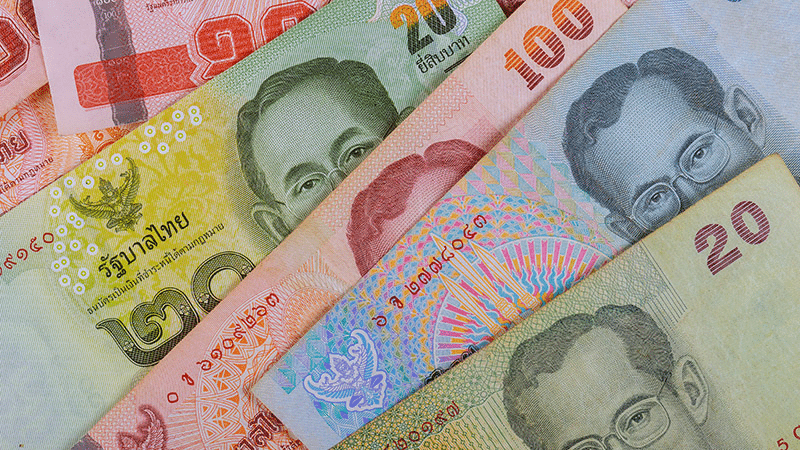
The official currency of Thailand is the Thai Baht (THB), which is denoted by the symbol “฿.” Thai Baht comes in various denominations, including:
Banknotes:20 (green), 50 (blue), 100 (red), 500 (purple), and 1,000 baht (gold/beige), as well as Coins: 1, 2, 5, and 10 baht, along with smaller and less commonly used denominations of 25 and 50 satang coins (100 satangs make up one Baht, similar to 100 cents making up one dollar).
Tips for Checking Exchange Rates
To ensure you get the best value for your money when exchanging into Baht, it’s important to keep track of live exchange rates. Websites like XE.com, Google or financial apps can provide real-time updates on currency fluctuations. That being said, don’t expect to receive that exact exchange rate when exchanging money, rather use it as a benchmark to compare your rate to, as the Bank rate will be different and here are some of the most popular here.
Options for Exchanging Money in Thailand
You may be wondering what currency is the best to bring to Thailand, but only Baht is accepted. Exchanging cash is very easy and there are several options available:
– Currency Exchange Counters: Found in airports and cities, these counters may offer varying rates, so it’s wise to compare before exchanging.
– Banks: Banks typically offer competitive rates but may charge a service fee, most common banks are Kasikorn, Bangkok Bank, Krungsri, TTB, Krungthai and UOB.
– Local Money Changers: Look for authorized money changers in busy areas, as they often provide better rates than banks or airport exchange counters.
Exchanging Money in Phuket
While only Baht is accepted throughout Phuket, exchanging your currency is simple:
- Patong Beach Area: Home to numerous currency exchange booths offering competitive rates, especially along Bangla Road and Patong Beach Road
- Phuket Town: Check out the currency exchange services near the central market for often better rates than tourist areas
- Shopping Malls: Central Festival, Jungceylon, and other major malls have exchange counters with reasonable rates
- Airports: While convenient, Phuket International Airport exchange counters typically offer less favourable rates.
Local Tip: SuperRich and other local money changers in Phuket Town and Patong often provide better rates than banks or hotel exchange services.
Best Ways to Access Cash
The most accepted and used method of payment in Thailand is cash, with island service and excursion providers, market stools and street food vendors not having card machines instead relying on PromptPay QR codes which may not be compatible with your international bank.
Advantages of Withdrawing Cash from ATMs
Withdrawing cash directly from ATMs is one of the most convenient ways to access Thai Baht and will most likely give you the most competitive rate. ATMs are widely available throughout urban areas, making it easy to withdraw cash as needed. Using ATMs allows you to avoid carrying large amounts of cash and minimizes the risk of theft.
ATMs on Phuket
ATMs are mostly found near banks, in malls and near 7-11s here in Thailand, here is a map of most ATM locations in Phuket to give you an idea and plan your trip.
Step-by-Step Guide on Using ATMs in Thailand:
1. Find a Bank-Affiliated ATM: Look for ATMs affiliated with major banks such as Bangkok Bank, Kasikorn Bank, Kungsri Bank, or Siam Commercial Bank to ensure reliability and lower fees.
2. Insert Your Card: Follow the prompts on the screen to select your language and proceed with the transaction.
3. Enter Your PIN: Input your PIN carefully, ensuring no one is watching.
4. Select Your Withdrawal Amount: Choose the amount you wish to withdraw, keeping in mind any limits set by your home bank.
5. Decline Conversion Rate: Before giving you your money, the ATM will ask if you wish to accept their conversion rate. Choose to “Continue without conversion” as this conversion rate tends to be steeper than what your bank will charge you.
6. Complete the Transaction: Collect your cash, and remember in most cases the card comes after you collect the cash, and then collect your receipt before leaving the ATM.

Common Fees and How to Avoid Them:
Be aware that most ATMs in Thailand charge a withdrawal fee, typically around 200-250 baht per transaction. To minimize fees, consider withdrawing large amounts less frequently and check with your bank about international withdrawal fees.
Using Cards in Thailand
Acceptance of Debit/Credit Cards
Credit and debit cards are widely accepted in larger establishments such as hotels, restaurants, and shopping malls. However, smaller vendors, markets, and rural areas may only accept cash, so it’s wise to carry some baht for these situations.
Benefits of Travel Cards
Travel cards like Revolut or Wise can offer favorable exchange rates and lower transaction fees compared to traditional banks. These cards allow you to preload money in different currencies, making it easier to manage your budget while traveling. However not all vendors can accept this type of payment.
Cash, Card, or QR Code Payment in Thailand
While cash remains a popular and reliable payment method in Thailand, digital payment options are gaining traction. PromptPay QR code payments, facilitated by apps like Line Pay or Truemoney, are commonly accepted in many shops and restaurants, especially in urban areas. However, in order to pay by QR code, you must possess a Thai Bank account and Thai SIM card or Global eSIM. This makes QR code payments very popular amongst expats and locals but inaccessible to tourists.
Travel Money Tips in Thailand
The best way to travel in Thailand is with a travel card like Revolut or Wise. This way you can not only pay by card at a reasonable exchange rate. But can also take out cash when needed. In Thailand, especially on its beautiful islands, cash is KING; so you should always have cash at hand.
- Keeping Money Safe: Utilize money belts or hidden pouches to keep your cash and cards secure, especially when it is a large amount. Avoid displaying large amounts of cash in public.
- Managing Expenses: Keep track of your spending by noting down daily expenses. This practice will help you stay within your budget.
- Always have cash on hand: You do not want to be in a predicament where you do not have cash to pay, there is no ATM nearby and they do not take card.
Tips Specific to Phuket
- Beach Safety: When visiting Phuket’s famous beaches (Patong, Kata, Karon), only bring the cash you need and leave valuables in your hotel safe.
- Island Hopping: For popular day trips to nearby islands, bring enough cash as ATMs are scarce or nonexistent on smaller islands.
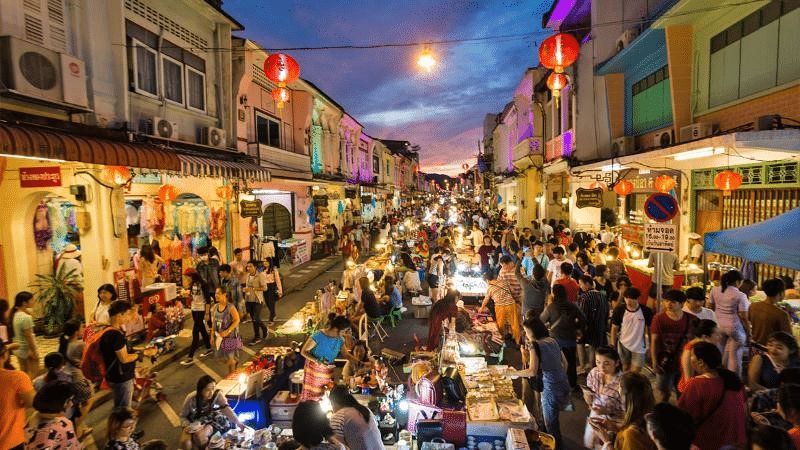
- Night Markets: Phuket’s night markets in Patong and Phuket Town are cash-only affairs, so come prepared.
- Travel Cards: Cards like Revolut or Wise offer excellent rates and the flexibility to both withdraw cash and make card payments around Phuket.
Get More Bang for Your Baht
Another huge travel tip is to barter for your goods and services that you receive in Thailand. Though some may not feel comfortable doing so, this can save a lot of money as often prices of items are inflated for tourists.
Where to barter
Bartering has the most success at market stalls and luckily, there are thousands if not millions of stalls all over Thailand. A trick is to look for the items with no price tag and items that don’t have a no bartering sign on them. When negotiating, ask the owner for the price of the item, offer half of that and then their counter offer will almost always be much less than their original price stated.
Where to Barter in Phuket:
- Patong’s OTOP Market and beach road stalls
- Phuket Weekend Market
- Souvenir shops away from high-end resorts
- With tuk-tuk drivers (negotiate before getting in)
- For beach activities like jet skiing or parasailing (always negotiate before starting)
Bartering Tip: Start at 40-50% of the initially quoted price, especially in tourist-heavy areas like Patong Beach, where prices are often inflated.
Where NOT to barter
Obviously, there are certain stores where you simply cannot negotiate the price, the price you see is the price you get. This is for big department stores, liquor stores, branded mini-marts like Tops and 7/11. A good rule of thumb is if the item has a clear printed price, that price is final.
- Department stores in shopping malls like Jungceylon
- 7-Eleven and Family Mart stores (found throughout Phuket)
- Established restaurants with printed menus
- Official tour desks at hotels
How Much Cash to Bring to Thailand
There are many factors to consider when calculating how much cash to bring with you to Thailand. If you aim to arrive with Baht and not use any of the money exchange services available in Thailand – like ATMs or cash exchanges, here are some pointers to keep in mind to work out the ideal amount of cash to bring to Thailand:
- How long are you staying in Thailand for?
- What is your budget ?
- Do you need to pay for accommodation(s) on arrival ?
- Does your accommodation require an upfront deposit (this is typically 1000 Baht)
- How do you plan on navigating Thailand (via taxi, motorbike, bolt, train, bus)?
- Are your activities and excursions paid for or do you need to pay on arrival ?
Total Cash required will vary based on your planned experience, for a simple beach holiday for a week you can expect to spend 8000-40000THB ($230-1200, £180-1000) depending on if you have board included or not. However if you are planning to book a Phuket Island Tour like to Phi Phi Island or James Bond Island then you will need additional cash for your trip.
Tipping in Thailand
Tipping in Thailand is generally appreciated but not mandatory. In restaurants, rounding up the bill or leaving a small tip (10% of the total) is common. For taxi drivers, rounding up the fare is also a polite gesture. In tourist areas, consider tipping hotel staff and tour guides as well.
What about Tipping in Phuket?
Tipping in Phuket follows Thai customs but with some tourist-area modifications:
- Restaurants: In tourist areas like Patong, Kata, and Karon, 10% is appreciated but not mandatory (check if service charge is already included)
- Tour Guides: For day tours to Phi Phi Islands or James Bond Island, 100-200 baht per person is customary for good service
- Hotel Staff: 20-50 baht for bellhops and room service in Phuket hotels
- Massage: 100 baht tip for a typical Thai massage along beach roads
- Taxis/Tuk-tuks: Rounding up the fare is appreciated
Service Charges
Be aware that some establishments may include a service charge in the bill, typically around 10%. In such cases, additional tipping is not necessary, but it is still appreciated for exceptional service.
Final Recommendations
Like in most locations in the world Cash remains the most advisable option when considering either Cash or a Card. Whilst you can use Cards effectively in established stores and accommodations, if you want to explore the unbeaten path cash will be a must on your travels to Thailand.
Simply remember to consider local exchange rates, common ATM locations and make sure to plan your trips so you can forecast how much spending money you need. Personally I like to exchange my money in Bangkok before I travel to Phuket to avoid the hassle and use Phuket tour services to plan my trips.
Here are QBIC Travel we can help you navigate this tropical paradise with ease, from arranging island-hopping adventures, to Full Moon Parties, to helping you discover the best local markets where your baht goes furthest!


